
After a storm passes and the sky clears, waiting a few days for a contractor feels reasonable. The visible damage may look small from the ground, and a full roof replacement might seem like the last thing you need to worry about.
But the period between storm damage and professional repair is when secondary damage does the most financial harm. An unprotected breach gives water a direct path into your home, and every rain event that follows compounds the problem. A properly installed tarp is the single most effective way to close that gap.
The Wait-and-See Temptation (And Why It Costs More Than Expected)
Most homeowners don’t rush into action after a storm. They check the attic, glance at the ceiling, look at the roof from the driveway, and decide to wait for a contractor or adjuster appointment.
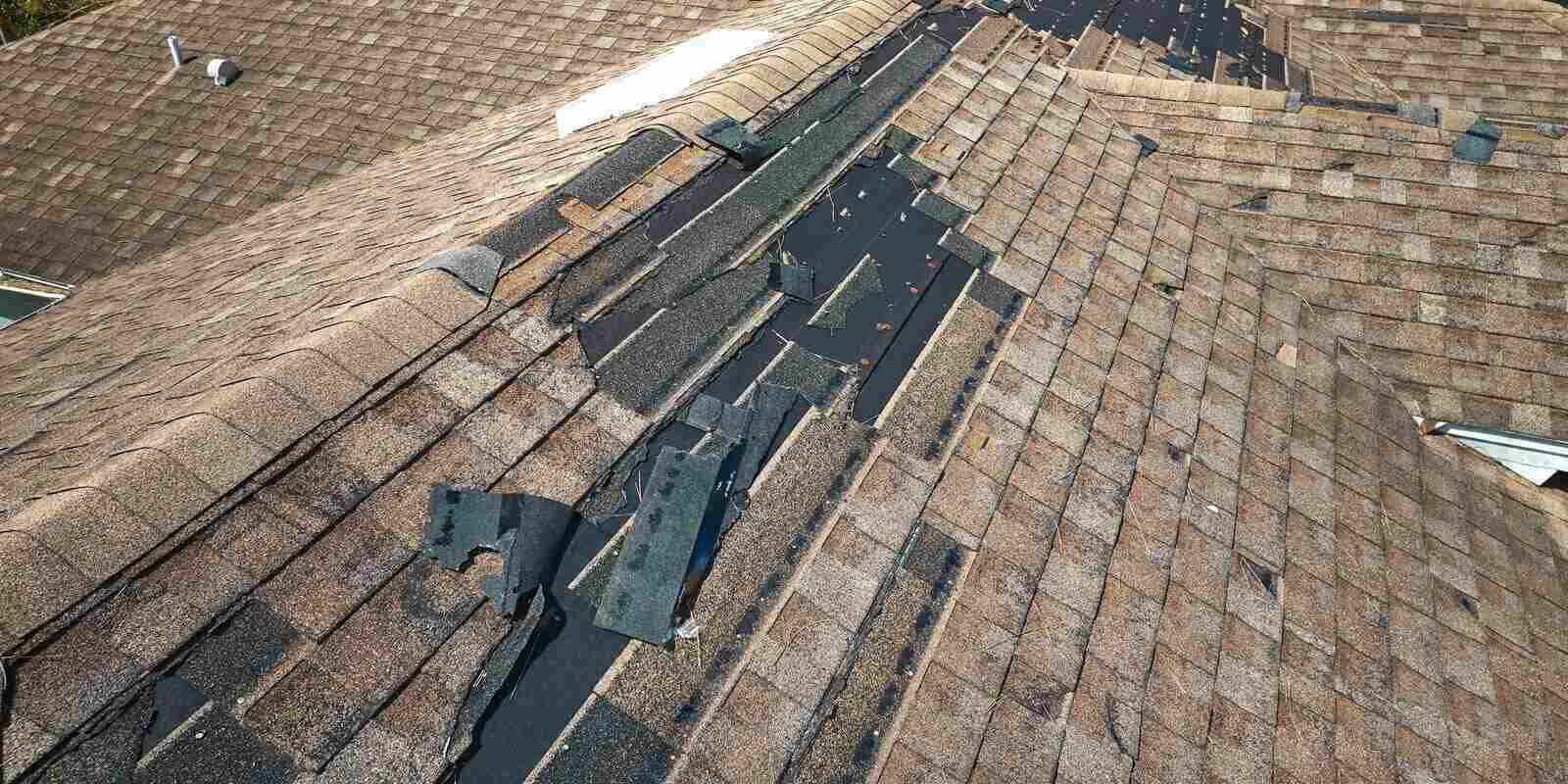
That instinct is understandable. However, missing shingles, lifted flashing, damaged ridge caps, punctures from debris, and bruised roofing materials can all leave the home exposed while appearing minor from the ground.
The waiting becomes expensive if another rain event arrives before the roof is protected. In Northern Virginia, spring and summer storms often arrive in clusters, and the gap between one weather event and the next is rarely long enough for an unprotected roof to survive without additional damage. Professional tarping closes that window. The goal isn’t a permanent repair on the spot; it’s preventing the damage from growing while a qualified contractor assesses the full scope.
What Happens to an Unprotected Roof Breach in Northern Virginia
A breach doesn’t have to be large to cause serious problems. Once water gets beneath the outer roofing layer, it travels across underlayment, soaks exposed decking, enters the attic, saturates insulation, and moves into wall cavities.
Northern Virginia’s climate compresses that timeline. Lingering humidity slows the drying process inside attics and enclosed spaces, which means moisture that enters through a breach tends to stay longer and spread farther than homeowners expect.
The EPA notes that wet materials should generally be dried within 24 to 48 hours to reduce mold risk. That’s a narrow window when the roof is still open and the next storm is on the forecast.
Even a small opening can allow repeated water intrusion that turns a contained repair into a larger structural concern. The longer the breach stays unprotected, the more the cost of fixing it climbs.
Why DIY Tarping Often Creates a Second Problem
A tarp looks simple from the ground, but installing one on a storm-damaged roof is rarely straightforward:
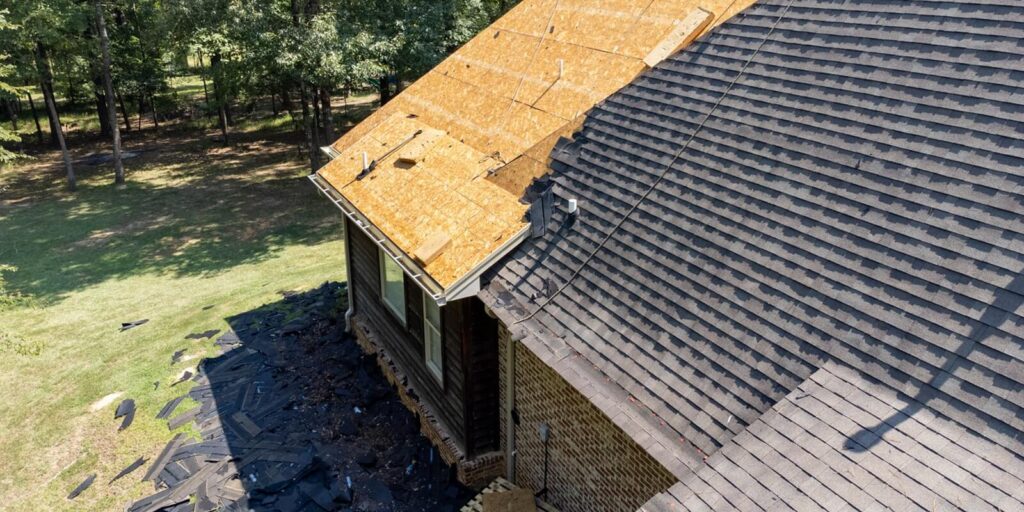
- The surface may be slick, weakened, or unstable after impact or prolonged moisture exposure.
- Wind can lift loose material and turn a partial fix into additional damage.
- Damaged shingles may tear further under foot traffic, widening the breach.
Incorrect tarping creates its own set of problems:
- An undersized tarp may leave the upslope entry point exposed, which is exactly where water enters first.
- Poor fasteners pull loose during the next wind event, leaving the roof unprotected again.
- Improvised anchors can damage shingles, gutters, or siding around the breach.
- A tarp placed too tightly over wet decking traps moisture where the roof needs airflow.
The National Roofing Contractors Association recommends that homeowners assess storm damage from a safe ground-level position and leave roof access, inspection, and repair work to professionals. Professional tarping uses heavy-duty polyethylene sheeting secured with wood battens or proper fasteners, not improvised materials that shift with the next gust. The coverage area, securement method, and understanding of how water moves across a roof surface are what separate effective protection from a tarp that makes the situation worse.
What a Proper Emergency Tarp Installation Actually Covers
Professional tarping addresses more than the visible damage. Roof leaks often begin above the obvious opening, then travel along decking and framing before showing up inside the home. A proper installation covers the breach itself, the surrounding shingles, nearby ridge sections, exposed decking, and any compromised flashing or valleys connected to the damaged zone.
The materials matter, too. Durable polyethylene sheeting secured with wood battens or appropriate fastening methods stays in place as conditions change. The goal is controlled, temporary protection that holds through follow-on weather until a permanent repair or replacement plan is in place.
CertainTeed recommends having a roofing contractor cover exposed areas with a waterproof tarp immediately after storm damage. A proper tarping visit should also include a preliminary condition assessment that gives the homeowner an early indication of whether targeted repair or full replacement is the more realistic outcome.
How Tarping Protects Your Insurance Claim as Much as Your Roof
Most homeowner policies include a duty-to-mitigate provision that requires policyholders to take reasonable protective steps after a covered loss.Virginia’s State Corporation Commission advises homeowners to make necessary temporary repairs, such as patching roof holes, as soon as possible after a disaster.
Failing to protect a breached roof and then filing a claim for secondary water damage can result in a partial denial, as the carrier may argue the homeowner didn’t fulfill their mitigation obligation.
Tarping creates a documented record of prompt protective action. Photos before and after the installation, contractor notes, invoices, and inspection findings build a timeline that supports your claim when you file it. Save all receipts for emergency materials and services.
A roofing contractor doesn’t decide coverage, approve payment, or act as a public adjuster. The claims process is between you and your insurer. But organized documentation from a qualified contractor gives you a stronger foundation for that conversation.
Protect Your Roof Now, Decide Your Next Step With Confidence
Delayed protection doesn’t automatically mean every roof will need full replacement. But, homeowners who act quickly after storm damage in the NOVA area typically have more options and lower total project costs than those who wait.
If the storm has passed but your roof is still exposed, contact Pure Roofing to schedule emergency tarping and a full damage assessment. We’ll protect the home, document the condition, and give you an honest answer on whether repair or replacement is the right path forward.