

A roof replacement is one of the largest single investments a homeowner makes, and the estimate is the first real indication of how the project will be managed. Two proposals may look similar at first glance, but small differences in materials, labor scope, or warranty coverage can significantly affect the finished result and its long-term value.
Knowing what belongs in a roofing estimate, and what’s often left out, gives you a much stronger position when comparing contractors in the Northern Virginia market.
| In This Article: A closer look at the details that separate a thorough roofing estimate from a vague proposal can make it much easier to compare bids. You’ll also find common warning signs and practical questions that help you choose the right contractor for your Northern Virginia home. |
What a Legitimate Roofing Estimate Should Always Include
A quality estimate does more than name a price. It specifies the shingle manufacturer and product line, underlayment type, leak barrier, flashing scope, and any anticipated decking repairs. Generic descriptions like “architectural shingles” or “roof replacement package” leave too much open to interpretation and make it impossible to compare one proposal against another.
Labor and project costs deserve the same level of detail. Separate line items for labor, tear-off, disposal, and project timeline show you where the money is going instead of folding everything into a single number that’s harder to question.
That detail matters most when tear-off reveals hidden damage. If the estimate doesn’t explain how decking repairs are handled, priced, and approved, you’re likely to face a surprise mid-project with no written framework to reference.
According to the National Roofing Contractors Association, written proposals should identify materials, scope of work, warranties, payment terms, and project schedule so homeowners can accurately compare contractors.
How to Compare Multiple Estimates Without Getting Misled
Comparing roofing estimates isn’t as simple as lining up three prices on a page. Homeowners across the NOVA area often receive proposals that look comparable on the surface but cover very different scopes of work underneath. Every proposal should include the same scope of work before costs become a meaningful basis for comparison.
One contractor may include premium synthetic underlayment, new drip edge, upgraded ventilation, and complete replacement of the flashing. Another may reuse existing flashing, install a basic underlayment, and charge separately for decking repairs.
The lowest bid isn’t always the strongest value if it excludes repairs, cleanup, underlayment, flashing, or other necessary details that a complete job requires. Before comparing numbers, confirm that every contractor is quoting the same roofing system, warranty level, and repair allowances.
The Line Items That Matter Most in a Roof Replacement Estimate
Some sections of a roof replacement estimate in Northern Virginia deserve extra attention because they have a lasting effect on performance and future maintenance.
The shingles are one example. Manufacturer, product line, and warranty tier all influence how the roof performs over its lifespan. A “lifetime” warranty from one manufacturer doesn’t provide the same coverage as a “lifetime” warranty from another. Review exactly what the manufacturer covers, what the contractor covers, and for how long.
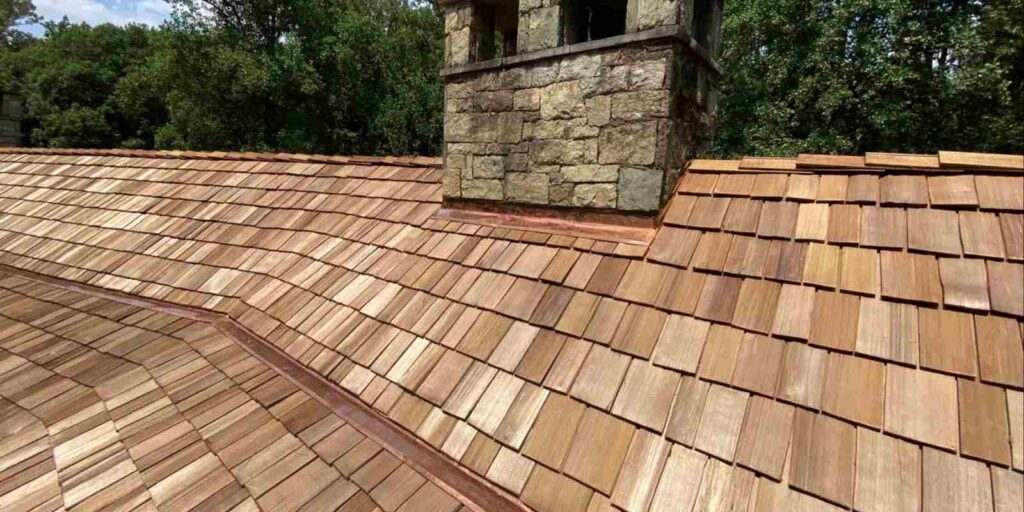
Roof decking deserves similar attention, as damage often remains hidden until the existing roof is removed, making it impossible to predict every repair in advance. A detailed estimate should explain the allowance for decking replacement and list the cost of additional repairs if damaged wood is uncovered during installation.
Flashing replacement is another important item that’s frequently overlooked. Flashing protects every point where roofing materials meet walls, openings, or changes in slope, and it’s one of the most common leak sources on any roof. The estimate should state whether flashing will be replaced, repaired, or left in place. Reusing old flashing on a new roof is a cost-saving measure that often creates problems within a few years.
Red Flags That Should Stop You Before You Sign
Not every red flag is dramatic. Some of the most costly mistakes come from estimates that simply lack detail.
Missing material specifications make accurate comparisons impossible. A proposal that doesn’t name specific products is a proposal you can’t hold the contractor to.
Before any project begins, homeowners should verify the contractor’s Virginia license and current insurance documentation. Virginia’s contractor regulations require specific information in residential construction contracts, including licensing details. Virginia’s contractor hiring guidance also warns homeowners to think carefully before agreeing to a large payment before work begins.
High-pressure sales tactics, demands for immediate signatures, and promises that aren’t written into the estimate are all consistent warning signs. Any commitment not documented in the estimate is unenforceable, regardless of what was said in conversation.
Local presence matters, too. A contractor with a permanent office and an established reputation in Northern Virginia is easier to reach if warranty questions come up after the project is finished. A contractor who can’t be found six months later isn’t standing behind the work.
Questions to Ask Any Roofing Contractor Before Locking In
Clear questions lead to clear answers, and the answers tell you a lot about how the project will be managed. Before committing, ask:
- Does the estimate include complete tear-off and disposal?
- What happens if damaged decking is found after the old roofing is removed?
- Which manufacturer warranty and workmanship warranty are included?
- Will the manufacturer warranty be registered after installation?
- Will employees or subcontractors perform the installation?
- Do subcontractors carry their own insurance coverage?
- How are unexpected repairs documented and approved during the project?
Requesting proof of workers’ compensation coverage when subcontractors are involved is a reasonable step, especially for a project this size.
Get a Transparent Roof Replacement Estimate from Pure Roofing
Every Pure Roofing estimate identifies the specific shingle manufacturer and product line, underlayment, flashing scope, decking repair allowances, warranty terms, and a clear project timeline. We break out labor, materials, tear-off, and disposal as separate line items so you can see exactly where your investment is going. If tear-off uncovers damage that changes the scope, we document it and get your approval before moving forward.
As an Owens Corning Platinum Preferred Contractor and GAF Certified Plus Residential Roofing Contractor, we can offer warranty tiers that most contractors don’t qualify for, and we’ll explain exactly what each tier covers before you commit.
Contact Pure Roofing to schedule your estimate and see the difference between a number on a page and a plan you can actually hold a contractor to.