
Roof damage isn’t always obvious, even when you know what to look for. Your roof could have loose shingles, damaged flashing, or early signs of a leak without showing clear signs of trouble from the ground. A closer inspection can reveal issues that homeowners might otherwise miss until they become costly repairs.
From hidden shingle damage and deteriorating flashing to attic moisture and ventilation problems, roof inspectors can identify several areas that deserve a closer look.
Why a Roof Can Look Fine from the Ground
Some signs of roof damage are difficult to spot because they develop around the flashing, roof valleys, vents, and other areas that aren’t easy to see. Hidden roof damage can go unnoticed until moisture enters the home.
A professional roof inspection examines the shingles, flashing, gutters, roof openings, and accessible attic spaces for signs of damage.
Hidden Problems on the Roof Surface
Shingles can lose their ability to protect a home before large sections go missing. Inspectors look for physical changes that indicate weather damage or installation issues.
Hail Bruising and Impact Damage
Hail can damage asphalt shingles without leaving an obvious hole or breaking off a large piece. During an inspection, the roofer checks for impact marks, fractured asphalt, exposed reinforcement, and areas where granules have been displaced.
The pattern and location of these marks help distinguish possible hail damage from ordinary aging. Hail strikes tend to land randomly across a slope, and a true bruise often feels soft, like a bruised apple. Inspectors confirm what they find by checking for dents on gutters, vents, and metal flashing before identifying hail as the likely cause.
Granule Loss and Shingle Wear
Protective granules shield asphalt shingles from sunlight and weather. Some granule loss occurs as shingles age, but widespread bare patches or heavy accumulations in gutters can indicate accelerated deterioration.
Inspectors examine where the granules have worn away and how extensive the loss is. They also look for curling, cracking, brittle edges, and other changes that can leave shingles more vulnerable to water intrusion.
Wind-Lifted Shingles
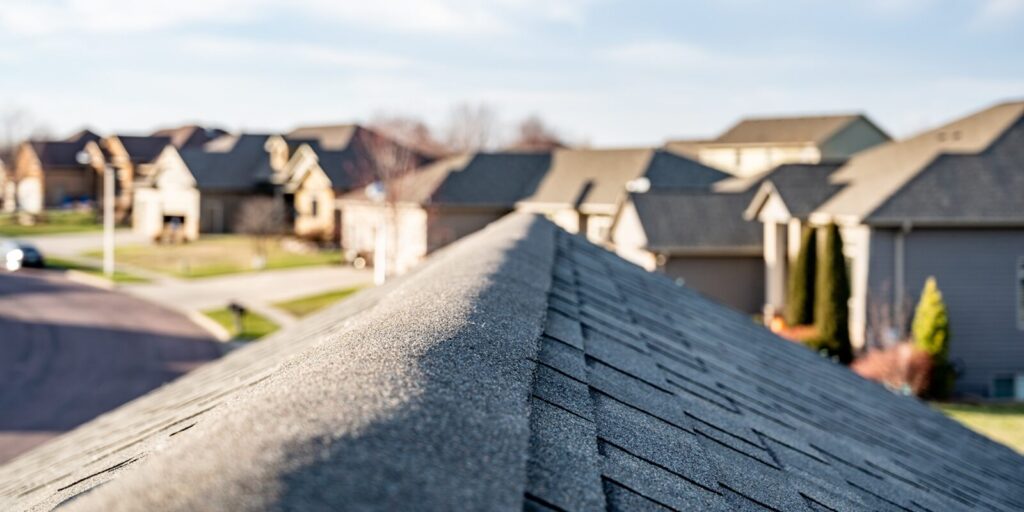
Strong winds can lift shingle tabs and break the adhesive seals that help hold them in place. A lifted tab may settle back down after a storm, making the damage difficult to spot.
Inspectors check for creases, broken sealant bonds, raised edges, and displaced shingles. These defects can leave the roof vulnerable during another storm, even when the surface looks intact.
Flashing, Vents, and Roof Penetrations
Chimneys, skylights, vent pipes, and sidewalls create joints where water can enter if the surrounding materials aren’t properly installed or maintained. Flashing directs water away from these connections and back onto the roof surface.
Around a chimney, an inspector checks for loose metal, deteriorated sealant, damaged step flashing, and gaps between the roofing and masonry. Skylights and roof-to-wall connections need the same attention because water can travel behind the exterior materials before appearing indoors.
Rubber pipe boots and vent collars crack with age and sun exposure. A loose collar or deteriorated seal may allow moisture to reach the roof decking, with a ceiling stain appearing only after the leak has persisted.
Roof valleys carry a large share of the water running off the roof, so damaged shingles or built-up debris there can slow drainage and increase the risk of leaks.
Clues Inside the Attic
An attic inspection can reveal moisture problems. When access is available and the area can be inspected safely, the inspector examines the underside of the roof decking, rafters, insulation, and ventilation components.
Water stains or discolored wood can indicate previous or active moisture intrusion. Damp materials and visible mold growth also warrant attention. Daylight coming through the roof may indicate an opening that needs investigation, although some ventilation systems have designated openings that admit outside air.
Damp or compressed insulation can indicate moisture exposure, while gaps may contribute to heat loss. Inspectors also assess whether the attic’s ventilation arrangement suits the roof assembly.
In Virginia, attic moisture can build up in more than one season. In winter, warm indoor air leaking into the attic can condense on the cold underside of the roof deck. In humid summers, moist outdoor air can condense on cool surfaces such as air-conditioning ducts.
Either way, excess moisture can contribute to mold growth and damage wood components. The right solution depends on the home’s ventilation, air sealing, and insulation working together, which is why inspectors look at the attic as a whole system.
What Homeowners Notice and Inspectors Check
A roof inspection checklist helps connect visible symptoms with the underlying conditions that may have caused them. This table compares what homeowners might notice with what a trained inspector checks for.
| What You Might Notice | What an Inspector Checks For |
| Shingle grit in the gutters | The amount and distribution of granule loss, including signs of accelerated shingle aging |
| A small ceiling stain | Failed flashing, cracked pipe boots, water-damaged decking, or another moisture source |
| Rising energy bills | Insulation gaps, air leaks into the attic, ductwork condition, and ventilation problems that may affect energy performance |
| A sagging gutter | Loose hangers, fascia deterioration, drainage problems, or water damage near the roof edge |
| No visible damage after a storm | Hail impact marks, creased shingles, lifted tabs, and damaged flashing |
These signs can point to several possible issues, not just roof damage. For example, a ceiling stain may come from a plumbing leak. A professional inspection helps narrow down the cause and determine whether you need further evaluation.
Getting the Most from Your Inspection
Ask for a written inspection report with photos showing each issue and its severity. Share details about recent storms, leaks, or completed repairs to help the inspector assess areas of concern.
If you’re scheduling a roof inspection in Alexandria, Va., or Leesburg, Va., choose a contractor who explains the findings clearly. Request a free inspection from Pure Roofing, and our team will use photos of your own roof to show you what roof inspectors look for.