

Homeowners with aging roofs often want a simple answer to one question. How many years do I have left? In Northern Virginia, that depends on more than the year the roof was installed. Humid summers, freeze-thaw winters, seasonal storms, and years of sustained sun exposure all affect how long a roofing system actually performs, and national averages rarely reflect what happens here.
Material matters, but so does everything underneath it and around it. Ventilation, installation quality, maintenance habits, and the specific weather your roof withstands year after year determine whether it reaches its full lifespan or falls short. Recognizing where your roof stands in that equation is what separates a planned replacement from an emergency forced by a leak you didn’t see coming.
What Northern Virginia’s Climate Actually Does to Your Roof
Roofs across the NoVa area deal with overlapping forms of seasonal stress that don’t let up. The National Weather Service climate records for the Washington, D.C. region show the kind of temperature swings, rainfall totals, and storm variability that wear roofing systems down faster than homeowners expect.
- Summer heat and UV exposure break down asphalt shingles and accelerate surface aging over time.
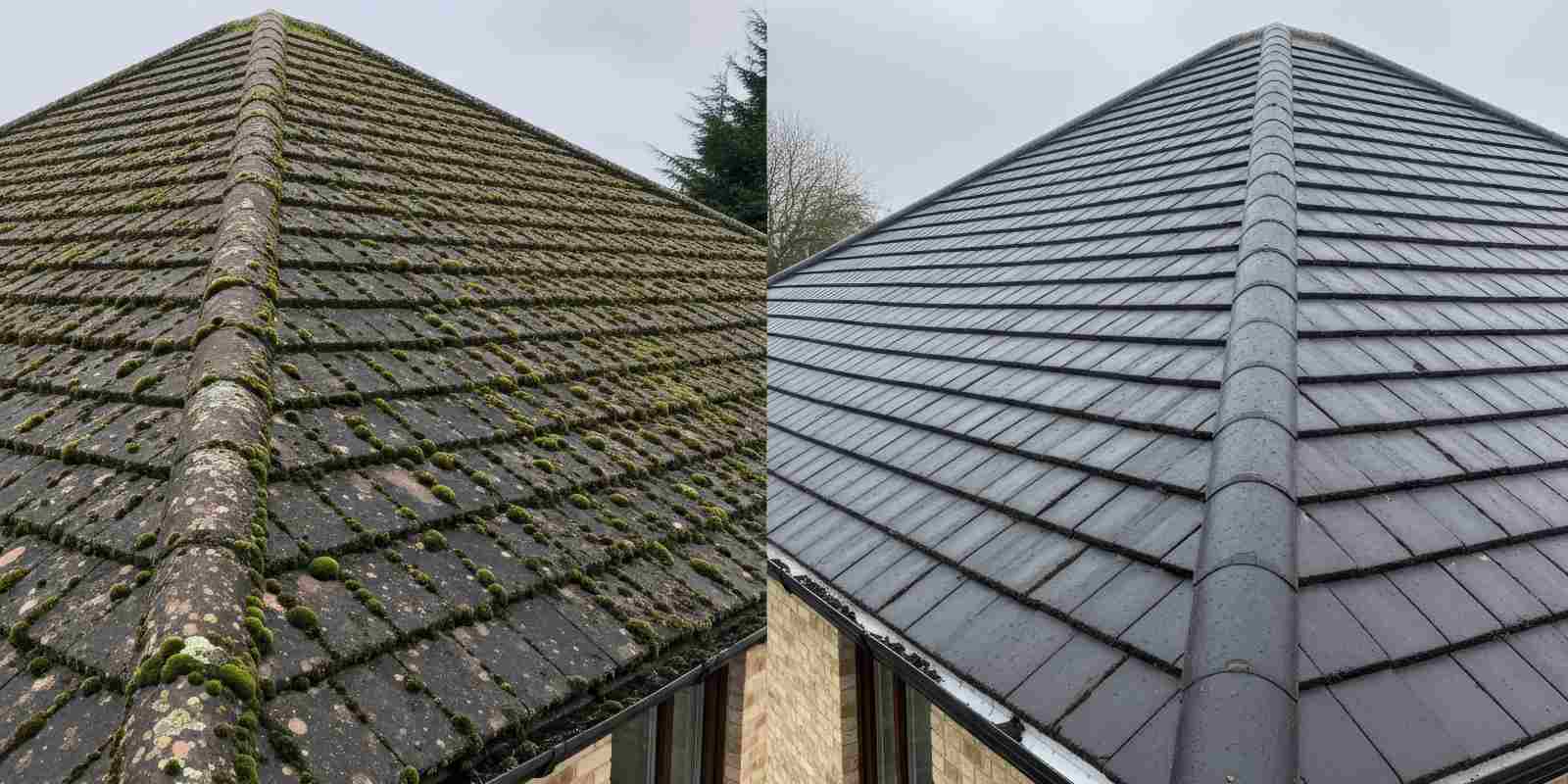
- Humidity encourages algae and moss growth, particularly on shaded roof sections that stay damp.
- Winter moisture works into small openings, freezes, and expands, widening cracks over repeated cycles.
- Storm season layers on wind-driven rain, lifted materials, and flashing damage.
That combination means a roof’s condition tells you more than its age. Poor ventilation, heavy shade, clogged gutters, and repeated storm exposure can push a roof toward replacement well ahead of any manufacturer timeline.
How Long Different Roofing Materials Last in This Climate
The type of material on your roof is a useful starting point, but how long it actually lasts in Northern Virginia depends on installation quality, attic conditions, and maintenance. InterNACHI’s life expectancy guide provides broad industry benchmarks. Here’s how those numbers tend to hold up locally:
- 3-tab asphalt shingles: Around 20 years. Heat, wind, granule loss, and the quality of the original installation all affect how quickly they decline.
- Architectural asphalt shingles: Around 30 years, though storm exposure, flashing details, and ventilation can shorten that window.
- Metal roofing: 40 years or more in many cases, depending on panel type, fastener quality, coatings, and how well the system was installed.
- Cedar or wood shakes: Closer to 25 years, with moisture, shade, airflow, and regular upkeep playing an outsized role in how long the material holds up.
- Low-slope systems: More variable, especially when ponding water, drainage problems, UV exposure, or seam wear are part of the picture.
Cedar shake roofs deserve a specific note here. While cedar is considered a premium material, its performance in Northern Virginia is heavily influenced by moisture. Shaded sections that stay damp age faster, trap organic debris, and need more attentive care than many homeowners expect when they choose the material.
How NOVA’s Seasons Wear a Roof Down
Winter: Freeze-Thaw Cycles and Ice Dams
Small vulnerabilities create the biggest winter problems. Water enters through a cracked shingle, a lifted flashing edge, or a worn seal around a roof penetration. When temperatures drop, that moisture freezes and expands. Over repeated cycles, the opening gets wider and the opportunity for leaks grows.
This kind of gradual damage often stays hidden. You may not see anything wrong from the ground, but the roof can be losing protection around edges, valleys, and transition points where materials overlap.
Attic conditions play a role here, too. ENERGY STAR notes that proper attic ventilation keeps the roof deck colder in winter, which reduces the risk of ice dams forming along the eaves. A roof’s lifespan depends on the full system working together, from the shingles on top to the ventilation underneath.
Summer: Heat, Humidity, and UV Breakdown
Summer stress is less dramatic but just as damaging over time. Prolonged heat and UV exposure dry out asphalt shingles, accelerate surface aging, and contribute to granule loss. Humidity supports algae and moss in shaded areas, which holds moisture against the roof surface and makes it harder to assess the true condition of older materials.
The Asphalt Roofing Manufacturers Association emphasizes that asphalt performance depends on proper flashing, effective ventilation, drainage, and regular inspection of trouble spots. In practice, a roof with clogged gutters, failing flashing, or sections that stay damp after rain will deteriorate faster than its age alone would suggest.
Seasonal wear has a compounding impact; what summer weakens, winter exposes.
Warning Signs That Your Roof Is Reaching the End
Warning signs of an aging roof are more concerning when they appear across multiple areas of the home rather than in a single isolated spot. On the exterior, look for curling, cupping, cracked, or missing shingles, granule buildup in gutters, sagging sections or visible dips in the roofline, widespread algae or moss, and flashing that appears lifted, rusted, or separated.
Interior signs deserve the same attention. Water stains on ceilings or walls, musty odors in the attic, visible moisture or mold tied to roof leaks, and unexplained shifts in energy performance can all point back to the roof, the ventilation, or both. The EPA notes that moisture control is central to preventing mold problems, so repeated dampness is worth addressing before it spreads.
One issue on its own may still be repairable. Several appearing at once usually means the broader system needs a professional review.
What Roof Age Means for Home Value and Insurance in NoVa
Many homeowners are surprised by how often roofing conditions come up during real estate transactions, refinancing, and insurance renewals. Lenders and home inspectors evaluate the roof as part of the property assessment. Insurance carriers may decline to write or renew a policy on a roof past a certain age, and that’s a reality many homeowners don’t anticipate until they’re in the middle of a deal.
Knowing your roof is ready for inspections puts you in a stronger position for those conversations. Replacement decisions get more expensive and more complicated once interior damage, recurring leaks, or storm-related problems have already appeared.
When Repair Stops Making Sense
Repairs are the right call when damage is isolated and the rest of the roof is still durable. Replacement becomes the better decision when leaks keep coming back, repairs are needed across multiple sections, shingles are brittle in broad areas, or the cost of ongoing repairs keeps climbing without restoring real confidence in the system.
The practical question for any aging roof in NoVa is straightforward. Does another repair meaningfully extend the roof’s useful life, or does it just push off a replacement that’s already overdue?
Plan Your Roof Replacement Before the Roof Decides for You
If your roof is approaching or past its expected lifespan, waiting is the most expensive decision you can make. Northern Virginia’s climate doesn’t give aging materials the benefit of the doubt, and the gap between a planned replacement and an emergency one is almost always measured in dollars.
Pure Roofing helps homeowners evaluate asphalt, cedar, metal, tile, slate, synthetic, flat, and low-slope systems with recommendations based on your roof’s actual condition and the demands of this climate. Contact Pure Roofing to schedule a professional inspection and have an honest conversation about your options with a team that knows Northern Virginia roofing from the deck up.