

Winter is hard on Northern Virginia roofs. Freeze-thaw cycles, ice buildup, high winds, and months of moisture stress roofing systems in ways that often stay hidden until temperatures rise and the snow clears. A thorough spring inspection catches that damage before summer storm season compounds it, and for some homeowners, it’s the first clear indication that replacement belongs in the conversation.
This checklist covers both exterior and interior inspection points specific to the NOVA climate, along with guidance on which findings call for a repair and which ones, taken together, point toward a larger decision.
Why Spring Is the Right Time to Inspect Your Roof
Northern Virginia winters put roofing systems through repeated freeze-thaw cycles, sustained wind, snow loads, and periods of ice accumulation. When moisture gets trapped around shingles or flashing, freezing and thawing expands small openings and creates damage that stays hidden for months.
Spring offers clear visibility and a window to act before summer storms arrive. According to the National Weather Service, severe thunderstorms produce wind gusts of at least 58 mph or hail measuring 1 inch or larger, both of which can damage roofing materials that are already compromised. Catching winter damage early means addressing it on your timeline, not during an emergency.
Exterior Checklist: What to Inspect from the Ground
You can identify many warning signs without climbing onto the roof. Binoculars or a phone camera with zoom give you a closer look while keeping the inspection safe.
Shingles and Surface Condition
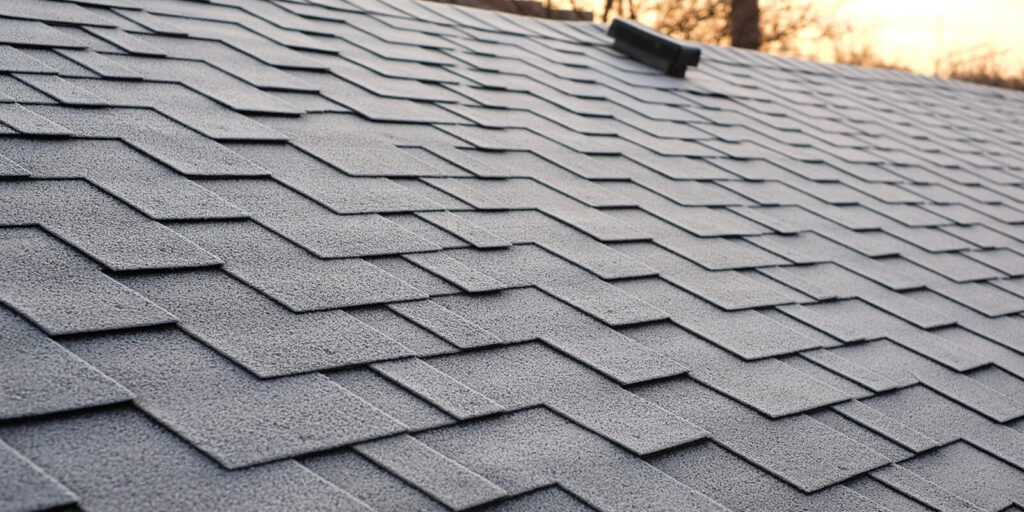
Scan every visible roof slope for missing shingles, curling edges, cracked tabs, lifted corners, and uneven surfaces. Pay attention to color variations or exposed dark patches, especially on south-facing slopes where UV exposure is heaviest. Those patches mean granules have worn away, and granule loss accelerates shingle aging.
If you’re seeing excessive granules collecting in your gutters, the shingles are shedding faster than normal. The National Roofing Contractors Association recommends inspecting your roof at least twice a year because regular checks catch damaged shingles, failing flashing, and early leak risks before they escalate.
Gutters and Downspouts
Gutters reveal a lot about roof condition. Granule buildup in the channels, sagging sections, standing water, and gutters pulling away from the fascia board all point toward maintenance needs that shouldn’t wait.
Confirm that downspouts are directing water well away from the foundation. Poor drainage contributes to soil erosion, basement moisture, and water pooling around the structure, problems that start at the roofline and end at the foundation.
Flashing Around Chimneys, Vents, and Valleys
Flashing failures are among the most common leak sources in Northern Virginia homes, and they deserve close attention during a spring inspection. Look for rust, loose metal, cracked sealant, or visible gaps around chimneys, plumbing vents, skylights, and roof valleys. Water follows these weak points long before stains appear inside the home.
Ridge Line and Roof Edge
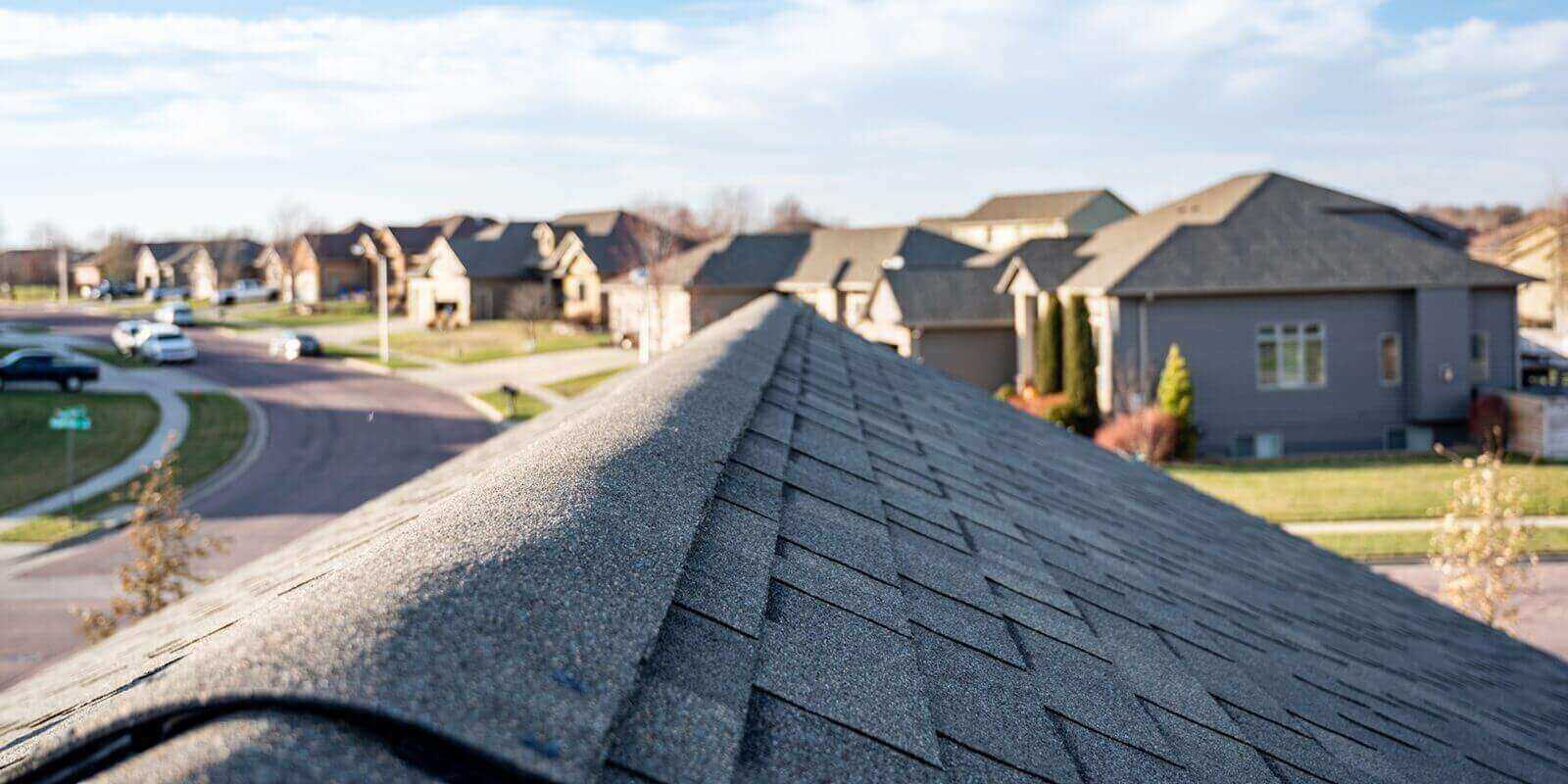
Finish the exterior check by looking along the ridge for displaced or missing cap shingles. Scan the eaves for any visible sagging, which may indicate moisture has reached the structural members underneath. Soft-looking fascia boards or deteriorated trim are another sign that water has been entering the system over time.
Attic Inspection: The Interior Signs Most Homeowners Miss

Some of the most telling signs of roof damage show up inside the attic before they appear anywhere else in the home. A flashlight and a careful walk through accessible attic space can reveal conditions that aren’t visible from any exterior vantage point.
Insulation and Moisture
Check insulation for damp sections, discoloration, or areas where it has lost its normal thickness. Dry stains matter, too. They confirm previous water intrusion even when no active leak is present. A musty smell in the attic indicates moisture has been present long enough for mold to start developing.
Decking and Structural Members
Look at the roof decking from below, along with any visible rafters, for dark staining, soft wood, mold growth, rusted nail tips, or visible water trails. These signs all indicate moisture has entered the roofing system. When multiple indicators appear together, they typically reflect an ongoing issue rather than a single weather event.
Attic Ventilation
Proper attic airflow extends the life of shingles, decking, and attic materials. Confirm that soffit, ridge, and gable vents are clear of insulation, debris, and animal nests. ENERGY STAR notes that proper attic ventilation removes excess heat during warmer months while reducing moisture buildup that shortens the lifespan of roofing materials.
Poor ventilation is a frequently overlooked contributor to premature roof failure, and spring is the right time to confirm the system is working the way it should.
What Your Checklist Findings Actually Mean
One isolated issue doesn’t automatically mean your roof is at the end of its life. A handful of missing shingles, limited granule loss in one area, or a loose section of flashing typically points toward a targeted repair before summer storm season.
Patterns tell a different story. Widespread shingle deterioration, flashing problems in several locations, attic staining, wet insulation, and signs of structural moisture appearing together suggest the roof is declining as a system, not failing in one spot. At that point, the conversation shifts from “what do we fix” to “does this roof still justify continued investment in repairs.”
A professional inspection provides the full picture that a ground-level check and attic walkthrough can’t. A qualified contractor evaluates the roof’s overall condition, how the findings relate to the roof’s age and remaining service life, and whether repair or replacement delivers the better long-term value.
Schedule Your Spring Inspection Before Storm Season Arrives
Many homeowners start their spring inspection expecting routine maintenance and come away with a clearer picture of where their roof actually stands. That clarity is valuable whether the answer is a minor repair or a larger conversation about replacement.
Pure Roofing provides professional spring inspections across Northern Virginia for homeowners who want an expert assessment alongside their own findings. Contact us today to schedule yours and get a straight answer on what your roof needs before the next round of severe weather.