

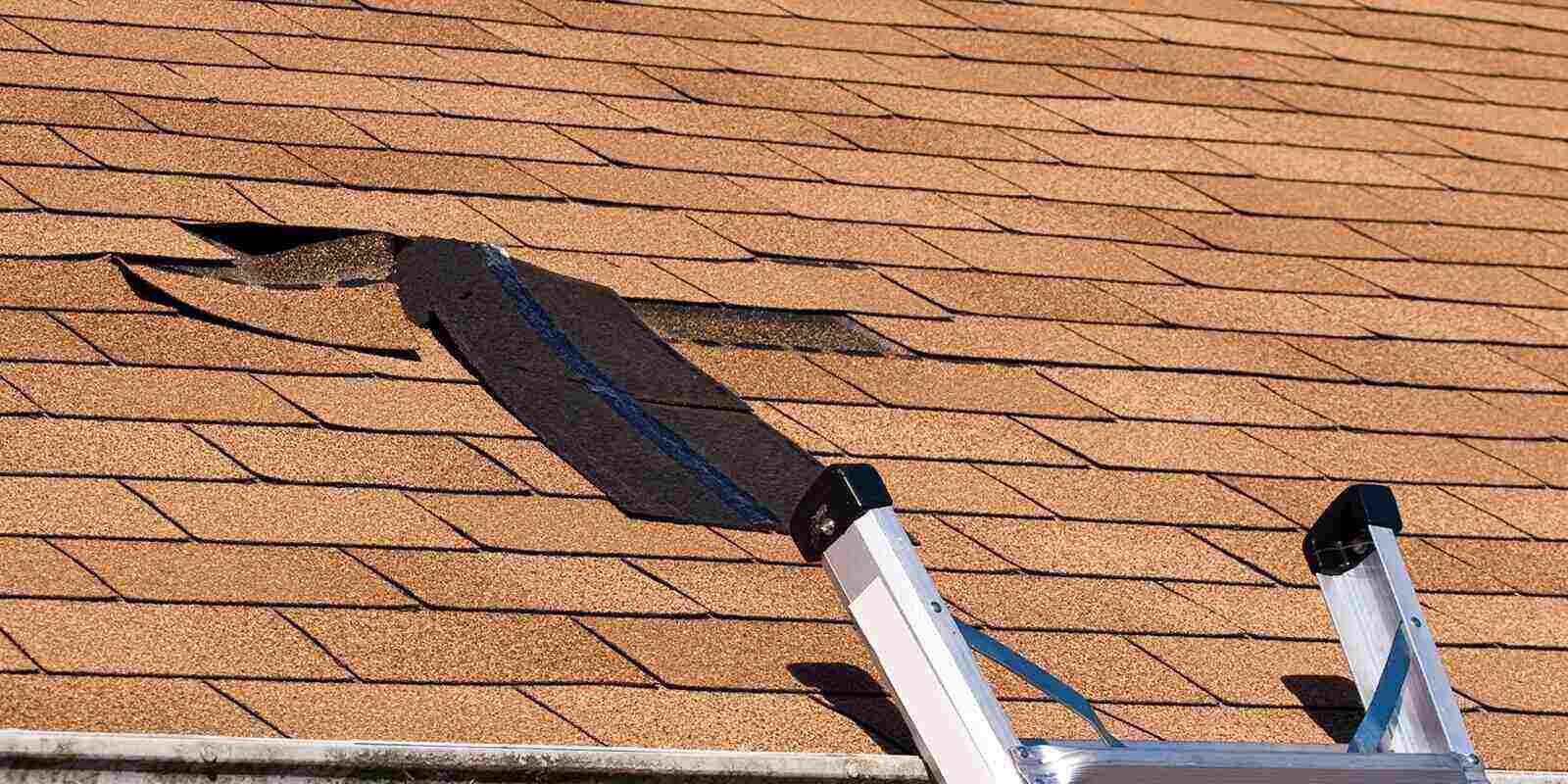

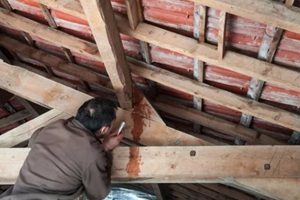
A ceiling stain, missing shingles, or a sudden drip after a storm can leave you trying to figure out how serious the situation actually is. Does this need a same-day emergency call, or can it wait for a scheduled appointment?
Getting that answer wrong goes in either direction. Calling for emergency service when the roof isn’t actively at risk creates unnecessary cost. Waiting too long when water is already entering the home can lead to damage that spreads far beyond the roof itself, sometimes to the point where replacement becomes the only practical option.
Quick framework for assessing your situation:
- Emergency (call now): Active water intrusion, structural sagging, or large sections of missing shingles exposing the deck
- Urgent (schedule within days): Partially lifted flashing, small punctures, or localized storm damage that isn’t actively leaking but leaves the roof exposed
- Monitor and plan: Granule loss, surface wear, isolated cosmetic damage with no water intrusion
Why Getting the Severity Right Matters Before You Call
The starting question is simple. Is the home actively being damaged right now? Water intrusion, structural movement, and wide-open exposure to rain or wind deserve fast attention. Cosmetic wear, minor shingle loss, and age-related surface damage fall into a different category.
Moisture timing matters. According to the EPA, mold growth typically begins when wet materials aren’t dried within 24 to 48 hours. Once water reaches insulation, drywall, framing, or flooring, the window to respond gets much shorter.
Most homeowners can’t safely judge the full condition of a roof from the ground. A qualified contractor can identify hidden damage around flashing, valleys, vents, skylights, and underlayment that may not be visible during a quick look from the driveway.
What Counts as a Roofing Emergency
Some roofing problems can wait a day or two for a scheduled inspection. Others demand immediate attention because the home is actively vulnerable.
Active, Uncontrolled Water Intrusion
Water actively leaking into a living area is one of the clearest signals that the situation can’t wait. Dripping near electrical panels, light fixtures, outlets, or ceiling fans deserves immediate professional attention.
High-volume leaks require fast action even when buckets are catching the water, because moisture can soak into insulation, drywall, flooring, and framing behind the ceiling where you can’t see it.
Storm-driven rain often exposes weak areas that homeowners didn’t realize existed. A sudden leak after a storm may point to lifted shingles, compromised flashing, or punctured roofing materials that were holding up until the weather pushed them past their limit.
Structural Collapse or Visible Sagging
Sagging, bowing, or partial collapse after storm impact should always be treated as a serious safety concern. Stay out of the area below the damaged section until a professional confirms conditions are safe.
Strong winds, fallen limbs, prolonged moisture, or weakened decking can all cause visible roof movement. Even if active leaks haven’t started yet, structural damage is a strong reason to call immediately.
Large Areas of Missing or Displaced Shingles
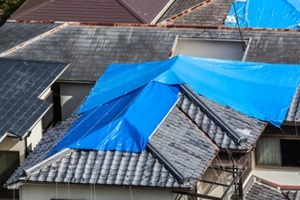
A few missing shingles may be urgent, but a large exposed section creates a very different level of risk. Once shingles are torn away across a broad area, the deck and underlayment are exposed directly to rain and wind.
Northern Virginia storms can intensify quickly during severe weather season. According to the National Weather Service, severe thunderstorms can include wind gusts of 58 mph or greater, which can worsen existing openings rapidly. Homeowners dealing with widespread shingle loss shouldn’t wait for the next round of weather to make the call.
What Does Not Count as a Roofing Emergency
Some roof problems deserve prompt attention without requiring after-hours emergency service. The goal is to respond appropriately without assuming every issue is an immediate crisis.
Missing Shingles After a Minor Wind Event
One or two missing shingles without active leaking generally isn’t an emergency, provided the underlying membrane appears intact. It’s still worth scheduling an inspection soon, especially if the missing shingles are near valleys, chimneys, or roof edges where water is more likely to find a path in.
Don’t climb onto the roof yourself. Ground-level photos, attic observations, and notes about recent weather give your contractor useful information to work with.
Granule Loss and Surface Wear
Granules collecting in gutters or near downspouts often point to aging shingles and long-term wear. Surface deterioration signals that the roof is approaching the point where replacement becomes a more practical investment than continued repairs.
Granule loss alone doesn’t justify an emergency call. When it’s accompanied by leaks, exposed decking, or storm-related damage, the urgency level changes.
Small, Isolated Leaks Away From Critical Areas
A slow drip away from electrical systems or structural elements can typically be addressed through a scheduled repair visit. That said, minor leaks shouldn’t be ignored. Move valuables away from the affected area, contain the water, and document the damage with photos. The Virginia State Corporation Commission advises homeowners to document damage promptly after storms and keep records of any temporary protective steps taken.
The In-Between Zone: Urgent but Not an Emergency
Many roofing issues fall between “call right now” and “schedule something next month.” Damage in this category may not threaten the home within hours, but Northern Virginia weather can turn within days, and exposed areas will worsen when rain or wind returns.
Partially lifted flashing, small membrane punctures, localized storm damage, and minor openings around vents or skylights often land in this middle ground. The roof may not be actively leaking, but parts of the system are exposed and vulnerable.
A professional inspection helps determine whether the damage calls for a quick repair, monitoring, or a larger restoration plan. Homeowners often underestimate how fast smaller openings can spread after repeated storms in the NOVA area.
From Assessment to Action: Schedule an Inspection
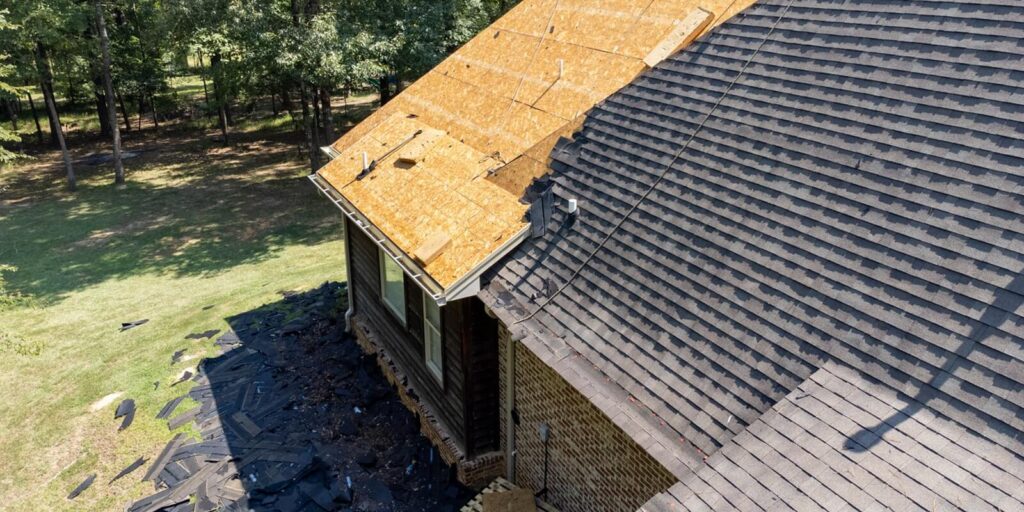
Emergency calls sometimes uncover issues far beyond the first visible leak. An inspection may reveal soft decking, failing underlayment, brittle shingles, recurring leak paths, or damage spanning several roof sections.
Repairs still make sense when the damage is isolated and the rest of the roof remains in strong condition. Replacement becomes the smarter long-term decision when widespread aging, multiple leaks, or extensive storm damage reduce the reliability of future repairs.
Whether the situation is an emergency, urgent, or somewhere in between, Pure Roofing is ready to give you a clear, honest assessment. Contact us today or call (571) 445-8032 to schedule a professional inspection and find out whether repair or replacement is the right path forward.