
Most roof problems don’t start with a leak in your living room. They start with damage you can’t see from the ground, wear that accumulates over years, or conditions that a general home inspector isn’t required to catch. By the time the problem is obvious, the repair is already more expensive than it needed to be.
For homeowners in Northern Virginia, three situations should prompt a professional roof inspection before small issues become large ones.
| In This Article: The three triggers that should prompt a professional roof inspection: after a storm with hail or high winds, before buying or selling a home, and once your roof reaches the age where wear becomes a real concern. Plus what to watch for between inspections and why waiting for visible damage is waiting too long. |
After a Storm Moves Through
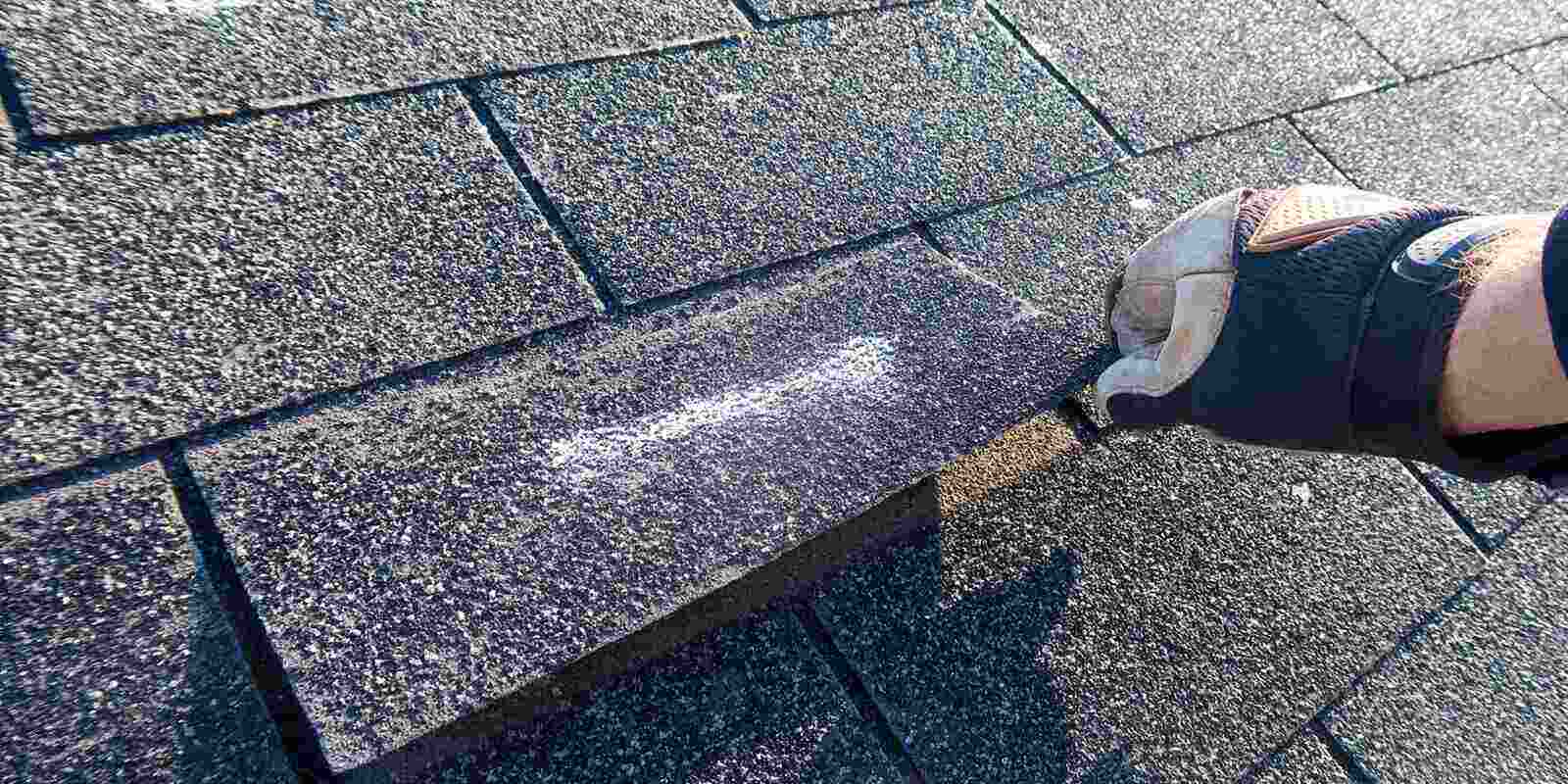
After a storm with hail of less than about an inch, homeowners will look at their roof and assume that if they don’t see damage, it must be okay. But the Insurance Institute for Business & Home Safety ran impact tests on hail under an inch and found that it knocks the protective granules off asphalt shingles and ages them early. Shingles that took normal weathering plus two of those little hail events were up to ten times more susceptible when a real storm came through later.
Wind can be just as damaging but even less noticeable. A gust can break the adhesive seal between shingle courses without shifting the shingle at all. From the ground the roof looks fine, but a driving rain can push water under the broken seal.
We recommend having your roof inspected after any storm that brought hail, had sustained wind around 50 mph, or left enough tree debris that you had to clean up the yard. If we find storm damage, we’ll photograph it and give you a copy and written findings that you can hand to your insurer.
Before You Buy or Sell a Home
A general home inspection includes the roof. However, according to the InterNACHI standards of practice (the standards for the International Association of Certified Home Inspectors), a home inspector is not required to “walk on any roof surface”. Their obligation is to examine, from ground level or a ladder against the eaves, the covering, gutters, downspouts, flashing, skylights, and chimney.
While people in the real estate market might take some comfort from this, it leaves buyers especially exposed.
A general home inspection is not intended to give an estimate of a roof’s serviceable life. Nor does it consider whether repairs were done properly or offer a close inspection of the seals around the chimney, vents, and other problematic areas.
For sellers, it’s more straightforward. Have the roof inspected early in the process, and you have choices for any findings. You can pay to fix it or replace it, or you can price it with the home’s listing and be up front with buyers. Any of those is better than the buyer’s inspector finding the issue on day eight of a ten-day contingency, when the only option is a credit you negotiate with a clock running.
Once Your Roof Reaches a Certain Age
Architectural asphalt in the Northern Virginia area generally lasts 20 to 25 years. Roofs with a steep southern exposure, or over an attic that isn’t well ventilated, might wear more quickly.
In the last third of its serviceable life, roofs tend to change character. Sealant at the penetrations dries out. Pipe boots (the rubber fittings around plumbing vents) usually begin to crack before anything else does. Ridge caps can also work loose early. And over time the shingles get brittle enough that walking on them is its own hazard.
Around year 10 to 15, depending on how your roof has weathered and the advice of an inspector, most homes benefit from yearly roof inspections. Where roofs less than a decade old should be checked for damage, older roofs need to be inspected to see how much life they have left, so that you can plan a roof replacement on your calendar rather than responding to a sudden bad leak.
Why Waiting for Visible Damage Is Waiting Too Long
By the time there’s a stain on an interior ceiling, water could have been in your attic or walls for a while. And the spot you see in the drywall almost never lines up directly under the leak. Instead, the water moves through the shingles, past the underlayment, and through the decking, and then often runs a few feet along a rafter before it finds a drywall seam to come through.
The time that water sits in a home unnoticed can lead to real problems. Wet insulation never gets its R-value back. Decking that stays damp goes soft and grows mold. And if the damage is bad enough, it may even compromise the structural framing in your attic.
What To Watch for Between Inspections
Call a roofing company even if you don’t spot a leak or obvious damage if you see:
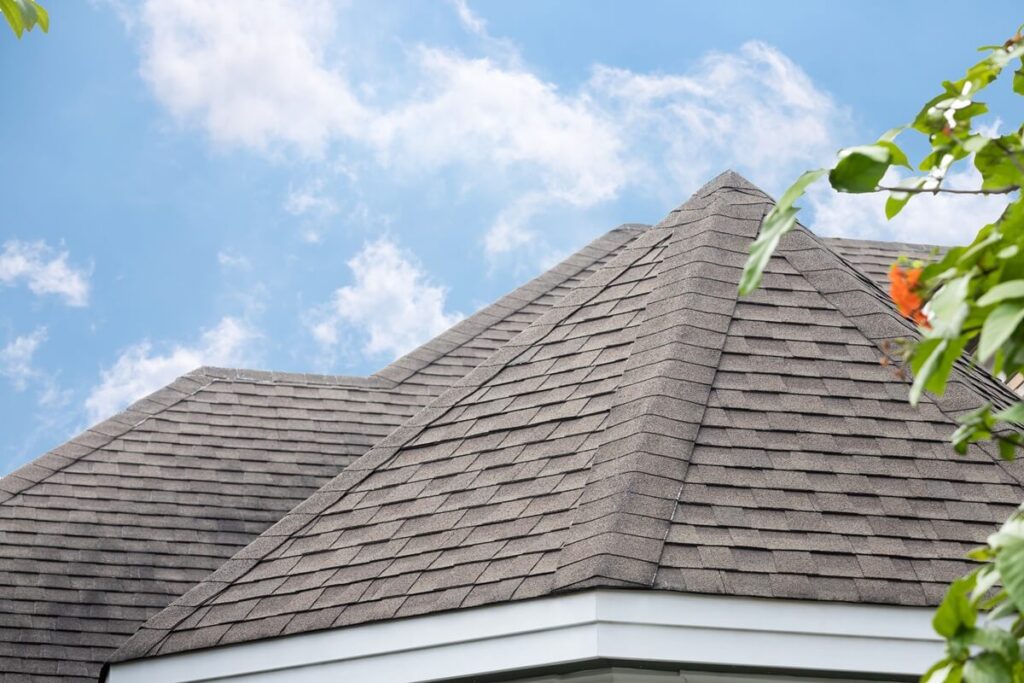
- Granules piling up at the splash blocks. On a 20 year old roof, some of that is expected. On a roof under 10, that material should still be locked down.
- A section that reads darker, flatter, or a little wavy against the rest of the field. That is often a sign that something is happening underneath rather than on the surface of the shingles.
- Certain signs in the attic, for example daylight at the roof boards, nail tips that have gone rusty, or a musty smell in an attic or upstairs area that never quite clears out.
One more thing. Before you let anybody walk your roof in Northern Virginia, research them in Virginia’s DPOR license lookup and confirm the license is active.
Getting Ahead of the Next Problem
An inspection runs a couple of hours and either gives you the peace of mind of knowing everything is okay, or a solid plan for moving forward. Contact Pure Roofing for an inspection, and we will walk you through anything we find and what we would do about it if it were our own house.