

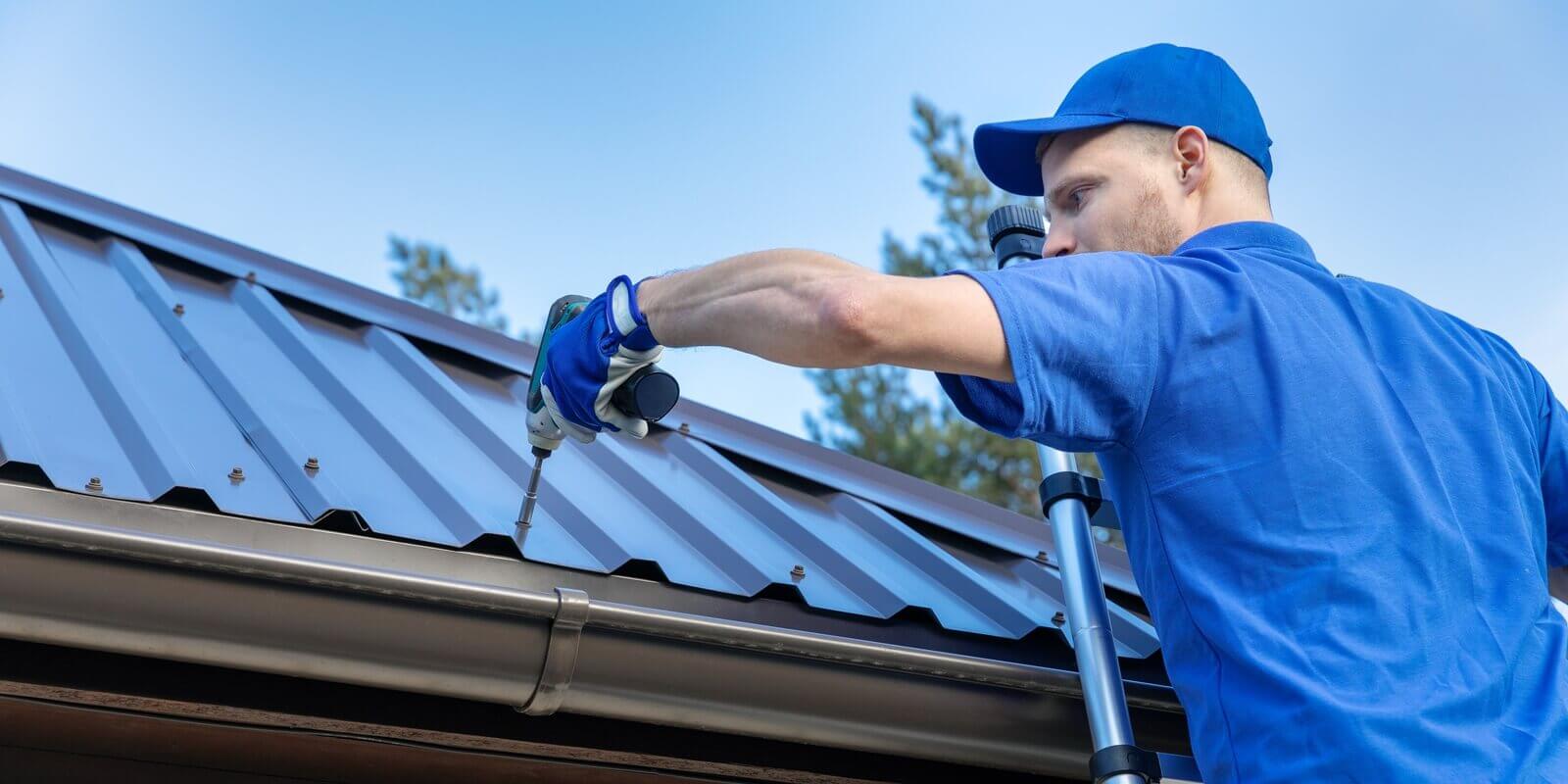

The day of your roof replacement starts early and runs loud, putting a crew, a dumpster, and a steady stream of debris around your house until cleanup.
A straightforward asphalt shingle roof with sound decking on a Northern Virginia single-family home can be replaced in one day, but steep pitches, multiple valleys, hidden decking damage, and weather can stretch the work out for longer.
Knowing how to prepare for a new roof, and spending a few hours on it the week before, keeps the crew moving and ensures your family and belongings are out of the work zone.
Settle the Paperwork and Approvals First
Preparing for roof replacement starts with homeowners association approval, usually the step with the longest lead time. If your community has an architectural review board, check your covenants for whether a change in shingle color, profile, or material needs sign-off, and submit the application before you lock in an install date.
Fairfax County does not require a building permit to replace roof shingles on a single-family home, and replacing less than 256 square feet of roof plywood (about nine sheets) is also exempt. Rot found during tear-off can push a job past that threshold.
Townhomes are a separate case. Fairfax requires a permit for any roof plywood replacement where fire-rated sheathing is required, which includes many townhomes. Arlington, Loudoun, and Prince William counties set their own rules, so confirm with your contractor who pulls any permit.
Clear the Driveway and Move Vehicles
The crew needs room for the dumpster and the material delivery, which usually arrives a day or two before installation. Park on the street or at a neighbor’s, and move vehicles out of the garage if it sits under the roofline. Falling nails and shingle debris can scratch paint and puncture tires.
Move grills, patio furniture, planters, and play equipment well away from the house, ideally 10 feet or more. Mark sprinkler heads, low-voltage landscape lighting, and buried pet fence lines with flags so the crew can work around them.
Protect Belongings Inside the House
Tear-off sends vibration through the framing, and it can reach interior walls on every floor. Take down framed pictures, mirrors, and shelves on top floor walls and exterior walls, and move collectibles and glassware off high shelves.
Cover anything stored in the attic with drop cloths or old sheets, since dust and small debris can fall through gaps in the decking. Garages with open rafters need the same treatment.
Tell your contractor ahead of time about skylights, solar panels, satellite dishes, and attic fans. Each one can change how the crew plans the day, and solar panels usually need a separate installer to detach and reinstall them.
Plan Around the Noise
Fairfax County’s noise ordinance generally allows construction from 7 a.m. to 9 p.m. on weekdays and from 9 a.m. on weekends and holidays, so expect the crew to arrive early. Hammers, nail guns, and debris hitting the dumpster run for most of the day, and tear-off is the loudest stretch.
If you work from home, book a different location for calls that day. Infants who nap and older relatives who are sensitive to noise may be more comfortable away from the house until the crew wraps up.
Give neighbors the date, the expected hours, and the dumpster location. That notice matters most in townhome communities with shared walls and driveways.
Keep Children and Pets Away from the Work Zone
The work area extends well past the edge of the roof. Keep children inside or away from home on installation day, and make sure they know that ladders, the dumpster, and the ground below the roofline are off-limits until final cleanup.
The noise and strangers overhead stress many dogs and cats. A quiet interior room with the door closed, a friend’s house, or a day boarding facility works better than the backyard. Keep dogs off the lawn until the crew has finished its magnetic nail sweep, since stray roofing nails in the grass can injure paws.
What to Expect During the Roof Replacement Process
The crew covers landscaping and siding with tarps, strips the old roof down to the decking, and inspects the decking for rot. After damaged sections are replaced, the crew installs underlayment, ice and water shield, flashing, ventilation, and the new shingles.
Stay reachable by phone during tear-off. If the crew finds soft decking or damaged framing, the project lead will walk you through what they found and confirm the repair before that section is closed up.
Cleanup happens at the end of each day and again at completion, including a magnetic sweep of the driveway and lawn. The final walk-through with the project lead is the time to point out anything you want checked before the crew leaves.
Confirm the Details a Few Days Out
A short call two or three days before the start date settles the usual day-of questions. Use it as a roof replacement checklist:
- The crew’s arrival time and the name and number of the project lead
- How a rain forecast is handled, including who makes the call to postpone and how much notice you get
- Where the crew can plug in equipment, and whether anyone will be home to unlock the garage or gate
- Where the dumpster and material delivery will go, and whether the driveway needs protection boards
How Pure Roofing Prepares Homeowners
Pure Roofing reviews these preparation steps with each homeowner before the project begins, so the household knows what to move, what to expect, and who to call.
Crews protect the property throughout the job and finish with a full cleanup and walk-through. As a CertainTeed 4-Star ShingleMaster and Owens Corning Platinum Preferred Contractor, the company installs to the manufacturer standards that back the warranty on your new roof.
Schedule a consultation with Pure Roofing to set your install date and get a preparation plan built around your home.