

Most roofing problems start well before a leak or ceiling stain makes it obvious. In Northern Virginia, storms can loosen shingles and bend flashing in ways that are hard to spot from the yard, and roofs older than 10 years face a greater risk of this kind of damage.
Regular professional inspections catch these defects while they’re still small repairs. Your roof’s age and material determine how often it needs one.
The Short Answer for Most Homeowners
The National Roofing Contractors Association recommends professional inspections at least twice a year, ideally in spring and fall. An annual roof inspection alone may not catch seasonal wear and storm damage before they lead to more extensive repairs.
When Your Roof Needs More Than a Routine Visit
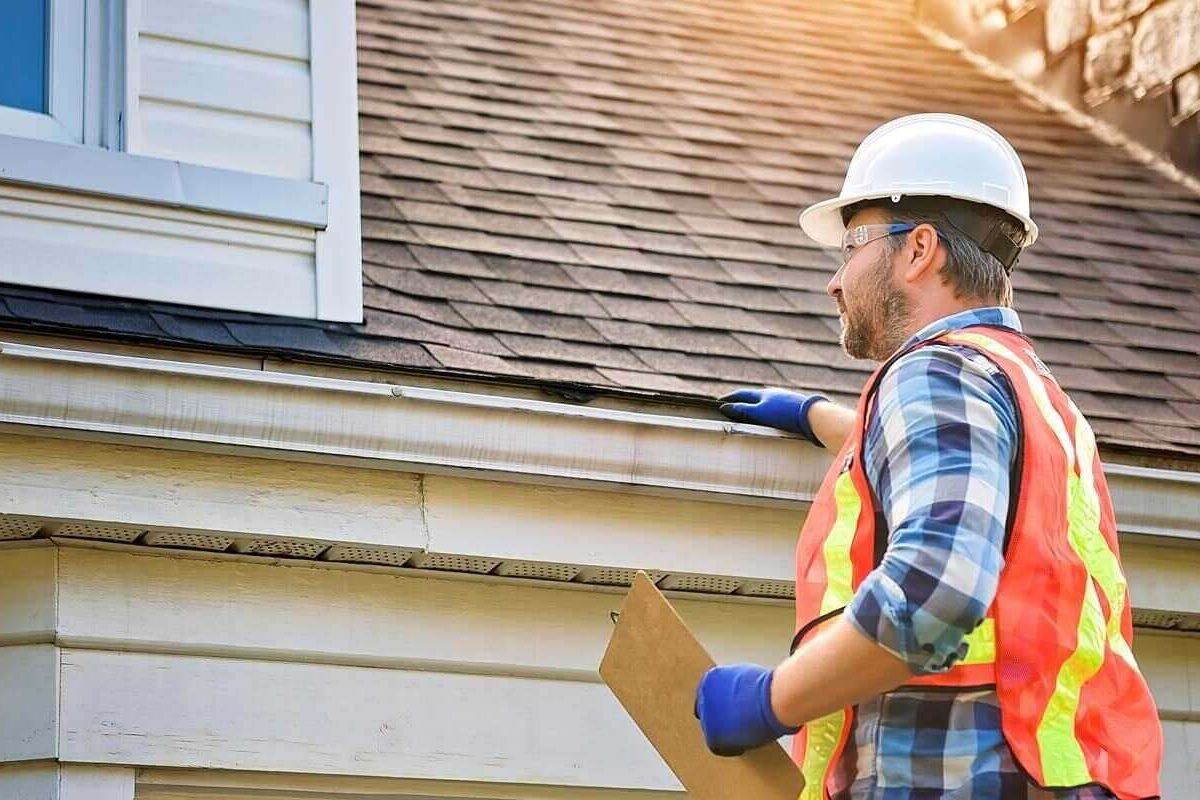
Schedule a professional roof inspection after severe weather or if a tree branch falls on your roof, even if you can’t see obvious damage from the ground. A residential roof inspection can reveal lifted shingles, damaged flashing, or another problem that may lead to leaks.
After hail or high winds, wind can lift shingles and weaken their seals. Hail may damage protective granules or bruise asphalt shingles.
Before buying or selling a home, a roof assessment gives buyers a clearer picture of the property’s condition. Sellers can use documented findings to address defects before negotiations, while buyers can ask informed questions about the roof’s remaining service life.
Asphalt shingle roofs approaching 15 years old deserve closer attention, particularly after repeated storms or previous repairs. Sealants and flashing can deteriorate at different rates, so a roof’s age alone doesn’t determine whether it needs replacement.
Have affected areas inspected after solar panel installation, flashing replacement, or other work that penetrates or disturbs the roofing system.
How Roof Material Changes the Schedule
Roofing materials have different expected service lives, but none is immune to weather damage or installation defects. Use these figures as general planning estimates, then check the maintenance requirements for your specific product.
| Roofing Material | Typical Lifespan | Suggested Inspection Schedule |
| Three-tab asphalt shingles | About 20 years | Twice a year and after major storms |
| Architectural shingles | About 30 years | Twice a year and after major storms |
| Metal roofing | 40 to 80 years | At least annually and after major storms |
| Synthetic slate | Varies by product; some are rated for 50 years or more | Annually and after major storms |
| EPDM rubber roofing | 15 to 25 years | Twice a year, in spring and fall |
| TPO roofing | 7 to 20 years | Twice a year, in spring and fall |
These lifespan figures are estimates. Installation quality, product specifications, maintenance, and weather exposure all affect how long a roof lasts.
Metal roofing still requires attention to fasteners, seams, flashing, and sealant joints. Flat and low-slope roofs need regular drainage checks because standing water can expose weaknesses in seams and membranes. Follow the manufacturer’s maintenance instructions and warranty terms when establishing an inspection schedule.
Why Northern Virginia Weather Shortens the Timeline
Northern Virginia’s seasonal weather can damage roofing components year-round. Winter freeze-thaw cycles put stress on flashing and sealant around chimneys and vents. Water can enter small gaps, freeze, and expand the openings. A spring inspection helps identify these defects before recurring rain causes further damage.
Summer thunderstorms and hail can also harm shingles without leaving obvious marks. A trained inspector can examine the affected surfaces for bruising and other signs of impact damage that a ground-level check may miss.
Tree cover creates additional maintenance demands in many Northern Virginia neighborhoods. Tree limbs that hang over a roof wear down shingles when wind rubs them across the surface, and storms can snap them off onto the roof. Leaves and twigs can block gutters, preventing rainwater from draining properly. Shaded areas that retain moisture may also develop moss, which can affect certain roofing materials.
What Skipping Inspections Can Cost You
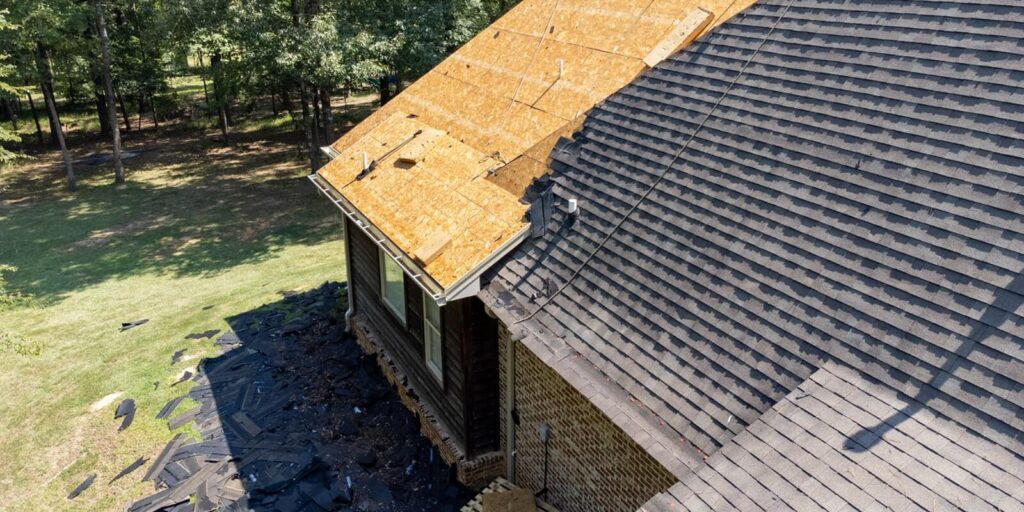
A small roofing defect can damage materials beneath the roof surface before it becomes visible indoors. Failed flashing, for example, can allow water to soak roof decking and attic insulation before a stain appears on the ceiling. By that point, repairs may involve more than the original roofing component.
Warranty coverage varies by manufacturer and product, and homeowners should check the specific provisions for maintenance, ventilation, installation, and manufacturing defects. Keep inspection reports and repair records with the warranty documents so you can refer to them if a problem develops.
Homeowners insurance policies commonly exclude ordinary wear and tear. Maintaining dated inspection reports and photographs provides a record of the roof’s condition, although those documents don’t guarantee coverage for future damage. After a storm, contact your insurer promptly if you believe an insured loss has occurred, following the Virginia Bureau of Insurance’s recommendations for homeowners.
Building a Simple Inspection Routine
Put professional roof inspections on your calendar for spring and fall. Arrange an additional visit after significant hail, high winds, falling branches, or other events that could damage the roofing system.
Between appointments, check the roof from the ground. Look for missing or curled shingles, sagging gutters, accumulated debris, and visible damage around roof edges. Never climb onto a wet or damaged roof to investigate a suspected problem.
Keep inspection reports, dated photographs, repair invoices, and warranty documents together in a digital folder. These records make it easier to track recurring problems, compare findings across seasons, and document your roof’s condition when you sell your home.
Looking for a roof inspection in Fairfax, Va., or Manassas, Va.? Schedule a free inspection with Pure Roofing and get an honest, written recommendation on how often you should have your roof inspected.