
Replacing your roof is a significant investment, and timing when you schedule the work affects more than convenience. The season you choose influences how materials perform during installation, how quickly sealants bond, and how much flexibility you have with contractor scheduling. In Northern Virginia, where the climate swings from humid summers to freezing winters, the timing window matters more than it does in milder regions.
| In This Article: Why fall is the strongest season for roof replacement in Northern Virginia, what spring, summer, and winter each offer and where they fall short, and why the condition of your roof and your personal timeline may matter more than the calendar. |
Why the Season You Choose Affects More Than Scheduling
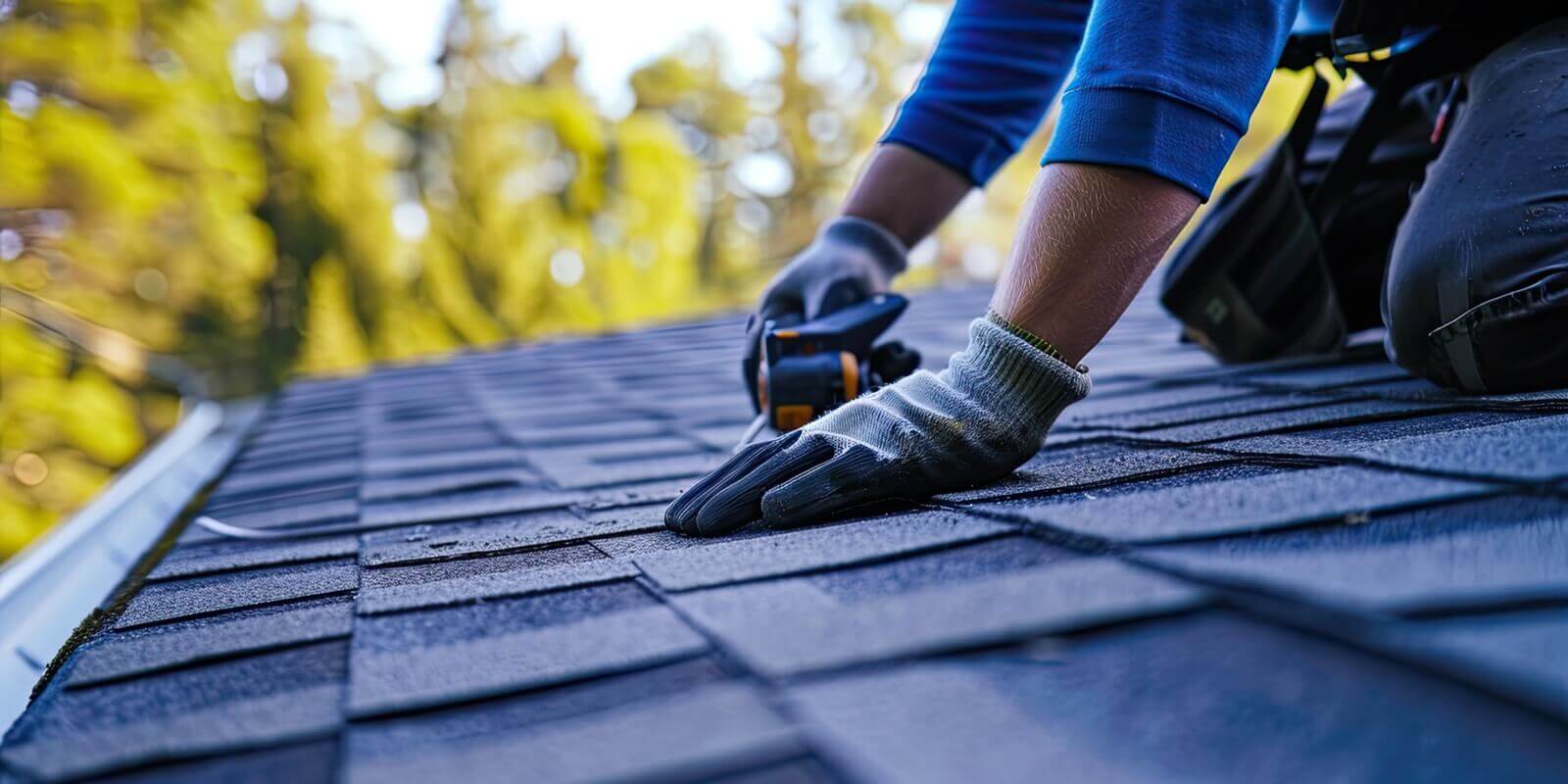
Asphalt shingles rely on factory-applied sealant strips that activate when exposed to heat and sunlight, bonding adjacent shingles together for wind resistance. Most manufacturers recommend installation when temperatures are at least 40 degrees because the sealant activates more reliably and shingles are easier to handle without cracking.
Northern Virginia’s four-season climate creates a narrower installation window than more temperate regions. According to the 1991 to 2020 climate normals for Washington Dulles International Airport, October temperatures average 67.8 degrees during the day and 45.3 degrees at night, which falls within the preferred range for asphalt shingle work while avoiding the extremes of summer and winter.
That said, weather on any individual day still matters. Rain, strong winds, frost, and roof surface temperatures can all push a scheduled installation, even during a favorable season.
Why Most Northern Virginia Contractors Recommend Fall Installation
Fall consistently delivers the best combination of installation conditions, material performance, and scheduling availability in this market. Mild daytime temperatures let shingles settle and sealant strips activate fully before winter’s extended cold arrives. That full bond is what gives the roof its wind resistance heading into the season that tests it most.
Summer storms also play a role in fall timing. High winds, hail, and falling branches can loosen shingles or create damage that worsens gradually. Homeowners who schedule a fall replacement after summer storm season can address that damage before snow, freezing temperatures, and ice dams increase the risk of water intrusion.
Moderate fall temperatures also benefit installation crews. Roofing materials handle better in mild conditions, and crews can maintain their pace and attention to detail throughout a full workday without the physical strain of extreme heat or cold.
What Spring Offers and Where It Falls Short
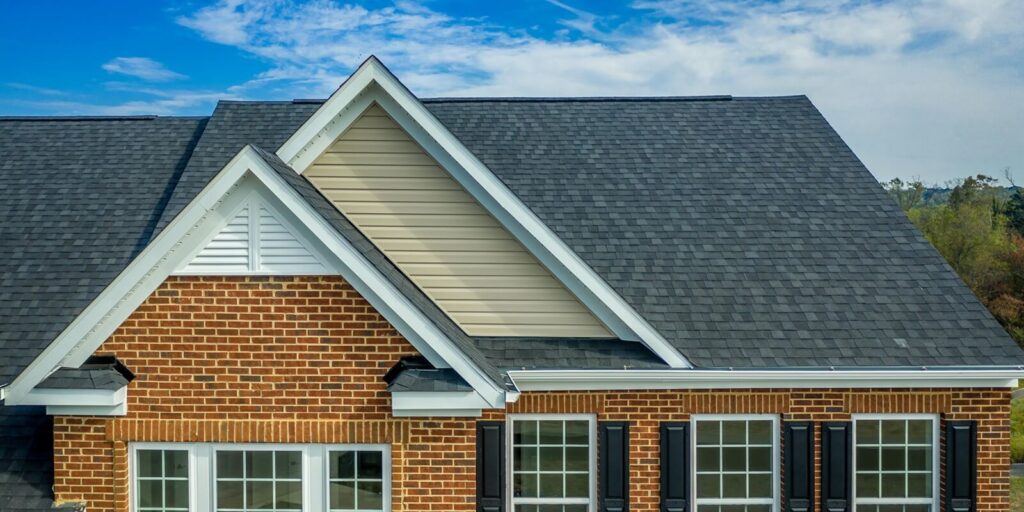
Spring provides moderate temperatures and a natural window to address winter damage before summer heat and storm season arrive. For homeowners who noticed lifted shingles, flashing issues, or attic water stains over the winter, spring roof replacement puts a new roof on before the next round of severe weather.
The challenge is scheduling. Contractor calendars in the NOVA area fill quickly once winter breaks, because every homeowner with winter damage is calling at the same time. If you’re targeting April through June, booking early in the year gives you the best chance of getting your preferred date.
What Spring Offers and Where It Falls Short
Spring provides moderate temperatures and a natural window to address winter damage before summer heat and storm season arrive. For homeowners who noticed lifted shingles, flashing issues, or attic water stains over the winter, spring replacement puts a new roof on before the next round of severe weather.
The challenge is scheduling. Contractor calendars in the NOVA area fill quickly once winter breaks, because every homeowner with winter damage is calling at the same time. If you’re targeting April through June, booking early in the year gives you the best chance of getting your preferred date.
What to Know About Summer and Winter Installation in NOVA
Summer installations are technically sound when handled by an experienced crew. Higher temperatures make roofing materials softer and more susceptible to scuffing, which requires careful handling and early morning start times to manage the heat. The bigger constraint is availability. Summer is peak demand season across Northern Virginia, and contractor calendars are typically the tightest of any quarter.
Winter installation is possible when temperatures stay above freezing, but cold weather slows sealant bonding and makes shingles more brittle and prone to cracking during handling. The Asphalt Roofing Manufacturers Association’s cold-weather recommendations outline specific procedures for low-temperature work, including warming materials before installation and hand-sealing shingles until warmer weather allows the adhesive strips to activate naturally. Some manufacturers restrict warranty coverage on installations performed below certain temperatures, which is worth confirming before scheduling winter work.
What Should Drive Your Timing Decision Beyond the Season
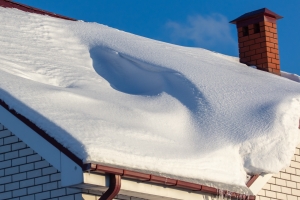
Seasonal conditions matter, but they shouldn’t outweigh the condition of your roof. Active leaks, widespread shingle damage, or a roof that has reached the end of its service life deserve prompt attention regardless of the month.
Personal deadlines carry real weight, too. Homeowners preparing to sell, working through an insurance claim, or approaching a homeowners insurance renewal may have timelines that make waiting for the ideal season impractical. In those cases, getting the project done on the right schedule matters more than getting it done in the perfect month.
Early planning is the common thread across all of these scenarios. The homeowners who have the most control over timing, contractor selection, and material choices are the ones who start the conversation well before they need the work done.
Schedule Your Roof Replacement with Pure Roofing
Quality contractors in Northern Virginia book weeks to months in advance, which means the best installation windows go to homeowners who plan ahead. Pure Roofing schedules residential replacements year-round and can help you identify the timing that makes the most sense for your roof’s condition, your budget, and your household’s schedule.
As an Owens Corning Platinum Preferred Contractor and GAF Certified Plus Residential Roofing Contractor, we install systems that qualify for the strongest manufacturer warranties available, and we’ll walk you through exactly what’s covered before you commit.
Contact Pure Roofing to schedule your inspection and lock in your preferred installation window before the busiest months fill the calendar.