
• Skip to primary navigation
  • Skip to main content
  • Skip to primary sidebar

Proudly Serving VA, MD, & PA

  • Blog
  • Contact
  • Financing
(571) 725-2515

Pure Roofing

Pure Roofing logoPure Roofing logo lightPure Roofing logo

Roof Repair & Replacement Contractor

  • Services

    • Roofing
    • Commercial Roofing
    • Doors & Windows
    • Siding
    • Gutters
    • Insulation
  • Storm Damage
    • Insurance Claims
  • Areas Served
  • About
    • Gallery
    • Referral Program
    • Reviews
    • Our Process
    • Team
  • Careers
    • Why Pure Roofing
    • Team Culture
    • Team Gallery
Emergency Roofing
Request An Estimate
Call (571) 725-2515

Pure Roofing VA

September 7, 2026 by Pure Roofing VA

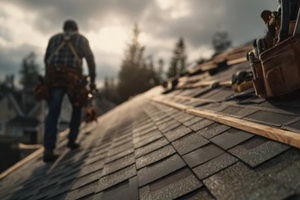
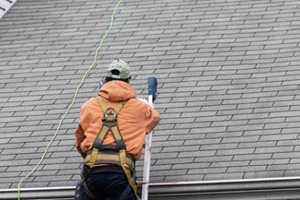
house during day with gray color single family home and man walking on roof shingles and ladder during repair

Most roof problems don’t start with a leak in your living room. They start with damage you can’t see from the ground, wear that accumulates over years, or conditions that a general home inspector isn’t required to catch. By the time the problem is obvious, the repair is already more expensive than it needed to be.

For homeowners in Northern Virginia, three situations should prompt a professional roof inspection before small issues become large ones.

In This Article: The three triggers that should prompt a professional roof inspection: after a storm with hail or high winds, before buying or selling a home, and once your roof reaches the age where wear becomes a real concern. Plus what to watch for between inspections and why waiting for visible damage is waiting too long.

After a Storm Moves Through

After a storm with hail of less than about an inch, homeowners will look at their roof and assume that if they don’t see damage, it must be okay. But the Insurance Institute for Business & Home Safety ran impact tests on hail under an inch and found that it knocks the protective granules off asphalt shingles and ages them early. Shingles that took normal weathering plus two of those little hail events were up to ten times more susceptible when a real storm came through later. 

Wind can be just as damaging but even less noticeable. A gust can break the adhesive seal between shingle courses without shifting the shingle at all. From the ground the roof looks fine, but a driving rain can push water under the broken seal. 

We recommend having your roof inspected after any storm that brought hail, had sustained wind around 50 mph, or left enough tree debris that you had to clean up the yard. If we find storm damage, we’ll photograph it and give you a copy and written findings that you can hand to your insurer. 

Before You Buy or Sell a Home

A general home inspection includes the roof. However, according to the InterNACHI standards of practice (the standards for the International Association of Certified Home Inspectors), a home inspector is not required to “walk on any roof surface”. Their obligation is to examine, from ground level or a ladder against the eaves, the covering, gutters, downspouts, flashing, skylights, and chimney. 

While people in the real estate market might take some comfort from this, it leaves buyers especially exposed.

A general home inspection is not intended to give an estimate of a roof’s serviceable life. Nor does it consider whether repairs were done properly or offer a close inspection of the seals around the chimney, vents, and other problematic areas. 

For sellers, it’s more straightforward. Have the roof inspected early in the process, and you have choices for any findings. You can pay to fix it or replace it, or you can price it with the home’s listing and be up front with buyers. Any of those is better than the buyer’s inspector finding the issue on day eight of a ten-day contingency, when the only option is a credit you negotiate with a clock running.

Once Your Roof Reaches a Certain Age

Architectural asphalt in the Northern Virginia area generally lasts 20 to 25 years. Roofs with a steep southern exposure, or over an attic that isn’t well ventilated, might wear more quickly.

In the last third of its serviceable life, roofs tend to change character. Sealant at the penetrations dries out. Pipe boots (the rubber fittings around plumbing vents) usually begin to crack before anything else does. Ridge caps can also work loose early. And over time the shingles get brittle enough that walking on them is its own hazard.

Around year 10 to 15, depending on how your roof has weathered and the advice of an inspector, most homes benefit from yearly roof inspections. Where roofs less than a decade old should be checked for damage, older roofs need to be inspected to see how much life they have left, so that you can plan a roof replacement on your calendar rather than responding to a sudden bad leak.

Why Waiting for Visible Damage Is Waiting Too Long

By the time there’s a stain on an interior ceiling, water could have been in your attic or walls for a while. And the spot you see in the drywall almost never lines up directly under the leak. Instead, the water moves through the shingles, past the underlayment, and through the decking, and then often runs a few feet along a rafter before it finds a drywall seam to come through. 

The time that water sits in a home unnoticed can lead to real problems. Wet insulation never gets its R-value back. Decking that stays damp goes soft and grows mold. And if the damage is bad enough, it may even compromise the structural framing in your attic.

What To Watch for Between Inspections

Call a roofing company even if you don’t spot a leak or obvious damage if you see:
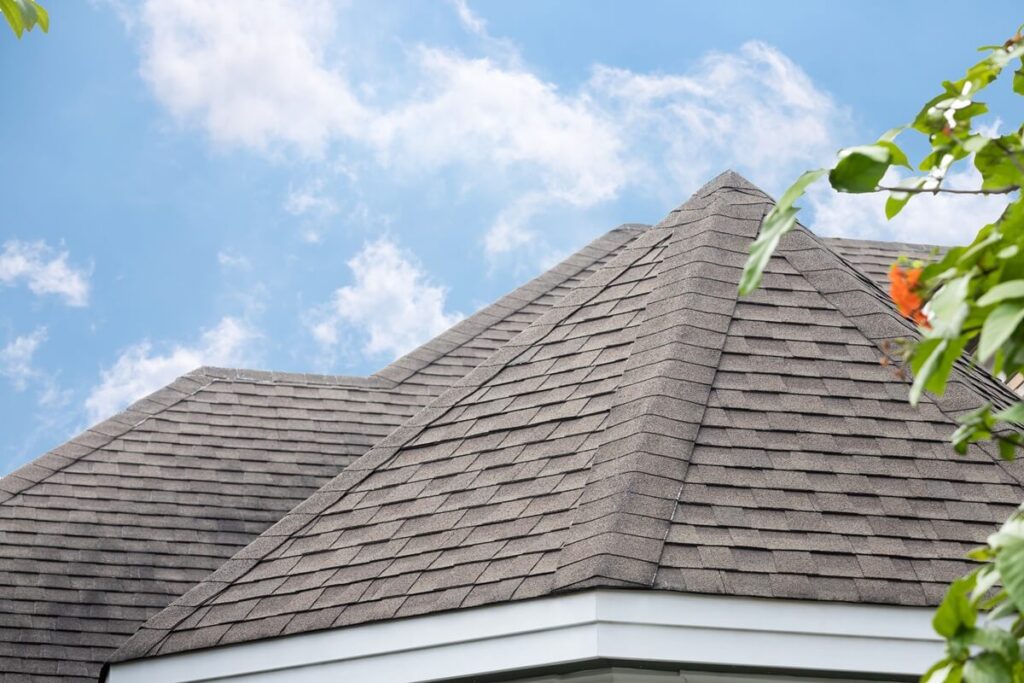
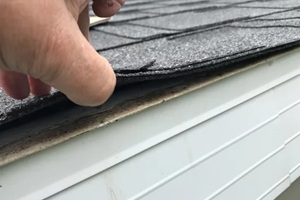
edge of roof shingles on top of the house, dark asphalt tiles on the roof background
  • Granules piling up at the splash blocks. On a 20 year old roof, some of that is expected. On a roof under 10, that material should still be locked down.
  • A section that reads darker, flatter, or a little wavy against the rest of the field. That is often a sign that something is happening underneath rather than on the surface of the shingles.
  • Certain signs in the attic, for example daylight at the roof boards, nail tips that have gone rusty, or a musty smell in an attic or upstairs area that never quite clears out.

One more thing. Before you let anybody walk your roof in Northern Virginia, research them in Virginia’s DPOR license lookup and confirm the license is active. 

Getting Ahead of the Next Problem

An inspection runs a couple of hours and either gives you the peace of mind of knowing everything is okay, or a solid plan for moving forward. Contact Pure Roofing for an inspection, and we will walk you through anything we find and what we would do about it if it were our own house. 
Filed Under: Roofing

September 1, 2026 by Pure Roofing VA

roof shingle hail damage

If you suspect your Northern Virginia roof has been damaged, or simply reached the end of its service life, squinting at it from the yard won’t tell you much. Asphalt shingles are designed to look uniform from 40 feet away, and much of what shortens a roof’s life happens where you can’t see it from the ground.

A professional roof assessment goes past the surface. An experienced, licensed contractor checks the deck, flashing, ventilation, underlayment, and gutters, with particular attention to the areas where the roof is interrupted by chimneys, skylights, and vents. Those transition points are where most problems start, and they’re the areas a ground-level look consistently misses.

In This Article: What a professional roof inspection actually covers, from shingle condition and flashing to the attic, decking, and ventilation. Plus why a ground-level walkthrough and a general home inspection leave gaps that matter, and what you should receive after the assessment is complete.

Why the View From the Ground Isn’t Enough

Your own walkthrough catches the obvious stuff. Shingles torn loose after a windstorm, a gutter pulling away from the fascia, a stain creeping across the bedroom ceiling. All worth acting on, but all lagging indicators.

A general home inspection also isn’t a roof inspection. Under InterNACHI’s standards of practice, a home inspector is not required to “walk on any roof surface.” Their obligation is to examine, from ground level or the eaves, the covering, gutters, downspouts, flashing, skylights, and chimney.

That scope is reasonable for a buyer’s due diligence. It doesn’t answer what somebody with a 20-year-old roof is actually asking.

Hail is a prime example of why that sort of visual inspection isn’t enough. Hailstones can crack the mat at the bottom of the shingle, while the granule surface above it still looks fine. It may appear visually normal, but the damage can develop leaks.

What We Look for on the Roof Surface

In asphalt shingles, the visible granules protect the asphalt underneath from sunlight and storm damage. They also give the shingle its color. But it’s the underlying asphalt that waterproofs the roof. The granules can appear unchanged even after the waterproofing layer has been compromised.

Normal loss of the top granules generally follows a pattern. A pile in one downspout means something different from even wear across the whole roof, and bare patches under a valley in the roof usually suggest wear from water volume in that area, rather than age.

Pipe boots are the rubber collar around plumbing vents. The rubber can weather and age differently from the rest of the roof, and may need to be replaced on a different schedule. Cracks tend to show up around year 10 or 12, well within the lifespan of most shingles, and can lead to leaks. Chimney counterflashing works its way out of mortar joints on roughly the same timeframe, with similar consequences.

Nail pops can be caused by changing outdoor temperature and humidity, or by a poorly vented attic. The expanding and contracting materials cause the nail to back out of the roof, lifting the shingles from underneath. If left untreated, they cause premature wear in the shingle, and lead to leaks.

Some wind damage is missed for a different reason. A strong gust can break the self-sealing adhesive under a shingle, without moving it from its spot. Nothing looks wrong from the ground, but the shingle has lost its bonding and could lift in the next storm. You can’t check seal integrity with binoculars. Somebody has to walk the windward slopes and check by hand.

What the Attic and Roof Deck Reveal

In an attic, we look for soft or spongy decking, delaminated sheathing, dark staining around penetrations, and rusted nail shanks. Frost or corrosion on exposed nail points in winter can be caused by condensation from trapped humidity rather than a roof leak, which new shingles wouldn’t fix.

We also check airflow when we inspect the attic. Insulation packed against the eaves blocks airflow through the soffit. Bath fans sometimes vent into the attic instead of through the roof. Both can affect the deck from inside the home. 

Code sizes attic ventilation as a ratio of net free vent area to the area being ventilated. The baseline in IRC R806.2 is 1 square foot of vent for every 150 square feet. You’re allowed to cut that requirement in half to 1 in 300, but only if the ventilation is balanced with 40 to 50 percent of the area up near the ridge and the rest down at the eaves. 

At Pure Roofing, we evaluate ventilation and insulation on every replacement project. If a hot, damp attic aged the old roof early, a new roof will do exactly the same thing.

What You Should Get After a Roof Assessment

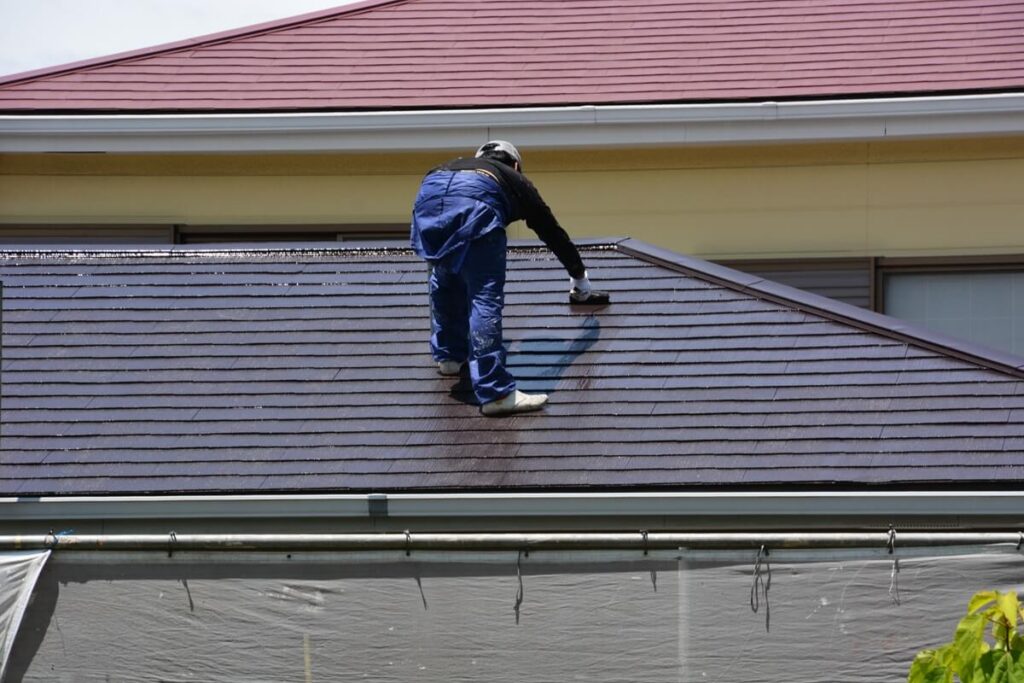
painting house walls and roof

After an inspection, you should expect photos of every area of concern, a written summary of the roof’s condition, and a straight-foward recommendation on repair versus replacement. You should also expect an estimate for the cost of the recommended next steps.

If there’s storm damage, photos can be used when you file with your insurer, and we can talk you through what to expect in a claims process. The claim itself stays between you and your insurance company.

How Often To Have an Inspection Done

A rule of thumb on when to have your roof inspected is after any storm that included hail or sustained wind, every two years for a newer roof, and once a year if your roof is older than 10 years.

Winters in Northern Virginia cycle above and below freezing, which can work flashing loose a little at a time. Summer storms can bring hail and wind in the same afternoon. And heavy tree cover fills valleys with debris and keeps shaded slopes damp for weeks.

If your roof is due for an inspection, contact Pure Roofing. We’ll give you an honest read on where your roof stands and a clear explanation of what it needs next, from a team that has been working on Northern Virginia roofs since 1983.

Filed Under: Roofing

August 24, 2026 by Pure Roofing VA

What should you actually expect to pay for a new roof in Northern Virginia? National averages don’t tell you much here. Labor rates, material availability, and permitting costs in the NOVA market run higher than most of the country, which means the numbers published for “average” roof replacements consistently understate what homeowners in this region will see on an estimate.

In This Article: Most residential replacements in Northern Virginia fall between $8,000 and $25,000 depending on roof size, material, and complexity. Here’s what drives that range and how to use these benchmarks when evaluating any estimate you receive.

What a Northern Virginia Roof Replacement Realistically Costs in 2026

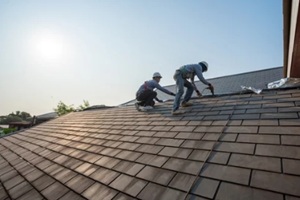
roofing contractor working on a residential home during roof replacement

Most standard single-story homes with architectural asphalt shingles fall between $8,000 and $20,000 for a full roof replacement. Larger homes, steeper rooflines, premium materials, or significant decking damage can push the total past $25,000.

The 2025 Cost vs. Value Report estimated an asphalt roof replacement in the Washington, D.C., market at $30,138 for a modeled 30-square project. That figure reflects a larger-than-average roof, but it illustrates how quickly size and scope affect the final number. Each roofing square represents 100 square feet, so a home with a 20-square roof and a home with a 35-square roof are in very different cost conversations.

These ranges are planning benchmarks. Every home has a different roof size, pitch, material, and condition, which is why an on-site estimate is the only way to get a number that’s specific to your property.

The Five Factors That Move the Price Up or Down

Five variables shape virtually every residential roofing estimate in Northern Virginia. Understanding them makes it much easier to evaluate any proposal you receive.

Roof Size

Contractors measure roofs in squares, with each square equal to 100 square feet. Your roof’s total area isn’t the same as your home’s living space. Slopes, garages, porches, dormers, and overhangs all add surface area that are not reflected in your home’s square footage.

Material

Material selection is the single largest cost variable a homeowner controls. Architectural asphalt shingles are the most common choice in Northern Virginia because they balance durability, appearance, and value well. Premium asphalt, metal, and slate cost more to purchase and install, but they also carry longer lifespans and different warranty structures. (See the material cost table below.)

Roof Complexity

Steep pitches, multiple roof planes, valleys, dormers, skylights, and chimneys all require additional time, skilled flashing, and extra material. A simple gable roof is a faster, less expensive installation than a multi-faceted roof with several penetrations and transitions.

Deck Condition

The roof deck can’t be fully evaluated until the existing shingles are removed. Damaged or deteriorated plywood discovered during tear-off is typically billed per sheet replaced, and the quantity can’t be confirmed in advance. The 2021 Virginia Residential Code ( 2021 IRC Amended, Effective Date: Jan 18, 2024 )requires removal of the existing roof covering before the deck can be properly assessed.

Northern Virginia Labor Rates

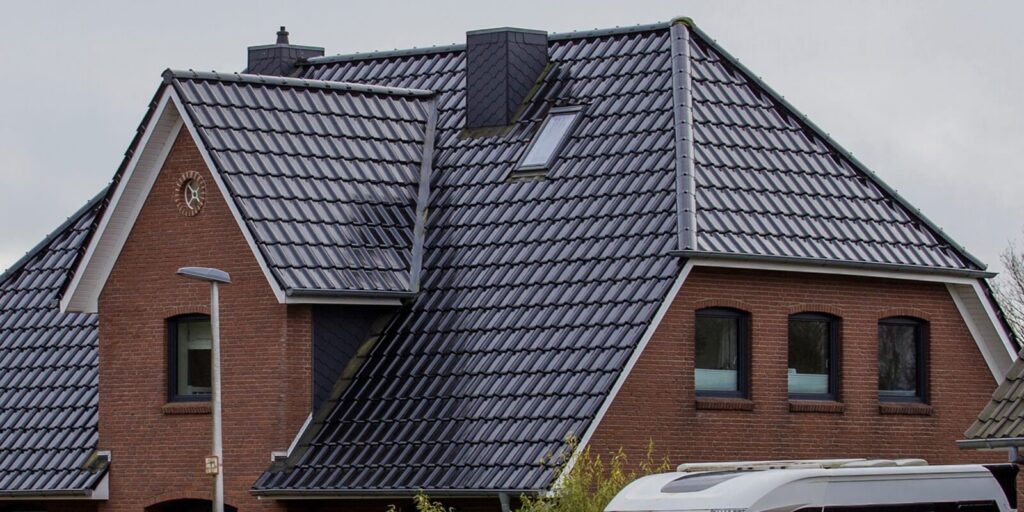
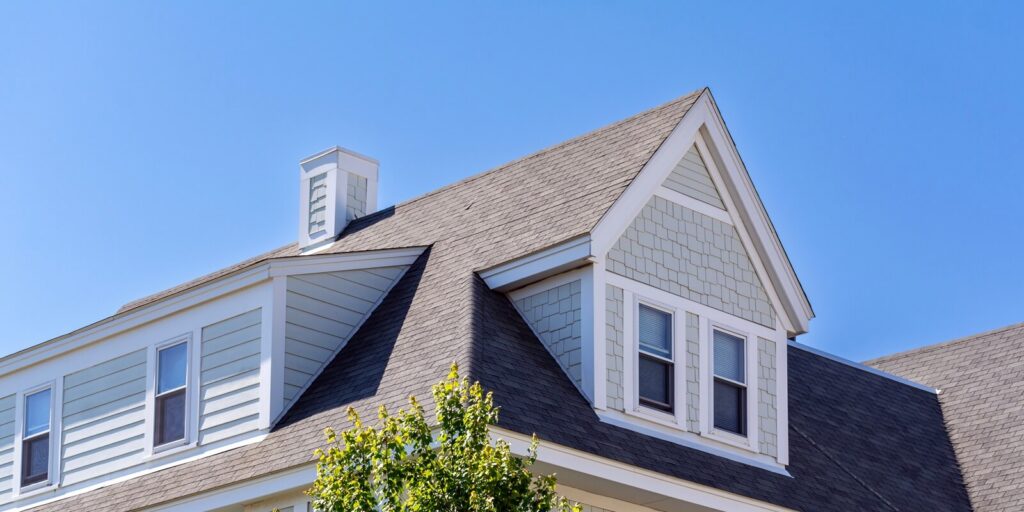
the roof of the house with nice window

Labor is a major factor that separates NOVA pricing from national averages. According to the U.S. Bureau of Labor Statistics, average wages across all occupations in the Washington metropolitan area ran about 32% higher than the national average in 2025.

Transportation, disposal, permitting, and operating costs in the region compound that difference.

What Different Roofing Materials Cost in Northern Virginia

The material on your roof is the cost decision with the longest-term consequences. Here’s how the most common options compare in the current NOVA market:

MaterialTypical Cost Range in Northern VirginiaNotes
3-Tab Asphalt$7,000 to $12,000Lower durability, increasingly rare in NOVA
Architectural Asphalt$10,000 to $18,000Most common in NOVA, 30-year warranty typical
Premium Asphalt$15,000 to $25,000Impact resistant, extended warranty tiers
Metal (Steel or Aluminum)$18,000 to $35,000Long lifespan, performs well in NOVA climate
Slate$30,000 to $70,000 and upLifetime material, highest installation complexity
Ranges are planning estimates. Final pricing depends on roof size, complexity, and current material costs. Request a formal estimate for an accurate figure specific to your home.

Material cost is only one portion of the total. Labor, tear-off, underlayment, flashing, ventilation, and disposal all contribute to the final number.

What the Estimate Typically Includes (And What It Doesn’t)

A complete roof replacement estimate should cover:

  • Removal of existing roofing materials
  • Disposal of debris
  • Underlayment installation
  • Ice and water shield where required by code
  • Drip edge
  • Flashing replacement
  • Roofing materials and labor for the full roof area
  • Cleanup and magnetic nail sweep

Decking repairs are typically listed separately with a per-sheet price for plywood replacement. The extent of decking damage can’t be confirmed until tear-off reveals the full condition underneath. A thorough estimate explains how additional decking costs are handled and approved if they arise.

How to Use These Numbers When Evaluating an Estimate

An estimate that falls well below the ranges above deserves a closer look before you treat it as a better deal. Lower pricing may reflect different materials, a reduced scope, weaker warranty coverage, or line items that have been excluded from the proposal.

When comparing estimates side by side, confirm that each one covers the same scope:

  • Roofing square quantity
  • Exact shingle manufacturer and product line
  • Underlayment type
  • Flashing replacement (full or partial)
  • Ventilation improvements
  • Decking repair allowance or per-sheet pricing
  • Material warranty terms
  • Workmanship warranty terms

The Virginia DPOR encourages homeowners to obtain multiple written estimates before hiring a contractor. A side-by-side comparison only tells you something useful when the scopes match.

Get an Accurate Estimate from Pure Roofing

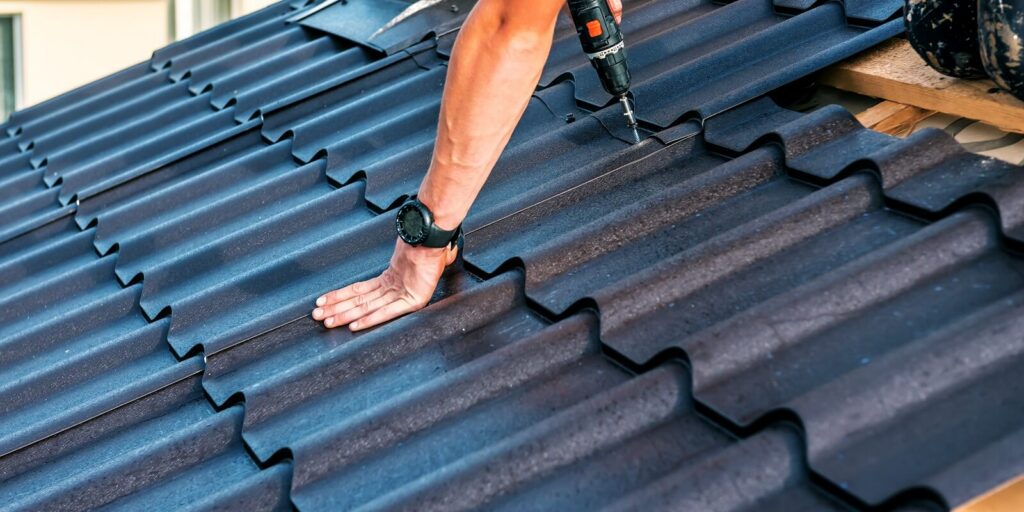
roof master with electric screwdriver

Online cost ranges give you a starting point, but the number that matters is the one based on your roof’s actual size, pitch, material, and condition. A professional inspection produces measurements, identifies any concerns, and results in an itemized proposal specific to your property.

Every Pure Roofing estimate breaks out materials, labor, tear-off, disposal, and warranty terms as separate line items. We explain what’s included, how decking repairs are handled if needed, and what warranty coverage applies to your specific installation.

Contact Pure Roofing for a detailed estimate on your Northern Virginia roof replacement. No pressure, no vague ranges, just clear numbers you can evaluate with confidence.

Filed Under: Roofing

August 17, 2026 by Pure Roofing VA

roofing contractor inspects storm damaged shingle roof with tools on site

How long does a roof replacement actually take? That depends on whether you’re asking about the day the crew is on your roof or the full process from first conversation to final walkthrough. In Northern Virginia, those are two very different numbers.

In This Article: Most residential roof replacements in Northern Virginia are completed in one day, but the full project timeline spans two to four weeks when you account for inspection, material ordering, permits, and scheduling. Here’s what each phase looks like and what can extend it.

The Full Timeline Most Homeowners Don’t Expect

When homeowners ask how long a roof replacement takes, they’re usually picturing installation day. A straightforward asphalt shingle roof with sound decking can be replaced in one day. GAF notes that installation commonly takes one to two days, depending on the home’s size and the complexity of the roof itself. 

Steep pitches slow the crew’s pace and require additional safety measures. Multiple roof planes, dormers, and valleys mean more cuts, more transitions, and more detail work at every intersection. Chimneys, skylights, and pipe penetrations each require individual flashing that adds time. A simple ranch with one slope and no penetrations is a very different job than a multi-level home with six dormers and two chimneys.

The full project runs longer than the install. The inspection, estimate approval, material ordering, scheduling, permitting (where required), installation, and final closeout typically span two to four weeks from your first conversation to a finished roof. That timeline gives the contractor time to coordinate labor, deliveries, and weather while you finalize product selections.

Knowing both numbers, the one-day installation and the two-to-four-week project window, is what allows homeowners to plan realistically around deadlines.

What Happens Before Installation Day

If your project includes a deadline, you need to map the events start to finish. Even though installation is typically a one-day event, the full project takes two to four weeks from first conversation through completion. If you’re preparing for a home sale, a vacation, or another event with a fixed date, building a two-to-three-week buffer accounts for weather delays and any unexpected repairs discovered during tear-off.

After you approve the estimate, several things happen before the crew shows up. You finalize material selections, the contractor orders shingles and accessories, and the installation date is scheduled based on material arrival and weather.

Standard roofing materials typically arrive within three to seven business days. Specialty products or uncommon colors may take longer, so locking in your selections early keeps the timeline from stretching.

Permit requirements vary across Northern Virginia. Some jurisdictions require permits for roof replacements, while others exempt straightforward re-roofing under the Virginia Uniform Statewide Building Code. Homeowners in Fairfax County can review local roofing permit requirements to know what applies before the project begins. Local review times can add several days to the schedule, particularly during busy NOVA construction seasons.

The homeowner decisions that matter most at this stage are approving the estimate promptly and confirming material selections quickly. Those two steps remove the most common avoidable delays.

What Takes Place on Installation Day

windows on the sloped shingle roof of a newly built house in Brighton

Installation day starts early. The crew protects landscaping, windows, and surrounding areas before removing the existing shingles. Once the old roofing is off, the exposed deck is inspected for damage or deterioration that wasn’t visible before tear-off.

Hidden decking damage is one of the reasons a thorough estimate includes a repair allowance or explains how additional repairs are priced. Damaged sections are repaired or replaced before the new underlayment, flashing, and shingles go on.

The rest of the day follows a defined sequence of underlayment installation, flashing work around penetrations and transitions, shingle installation to manufacturer specifications, and cleanup. Debris removal, magnetic nail sweeps, and a final walkthrough with the homeowner are completed before the crew leaves.

For a standard residential roof in Northern Virginia, that full sequence fits within a single working day.

What Can Extend the Timeline

Weather is the most common variable in a roof replacement. Rain, high winds, or wet decking will pause installation because roofing materials need dry, stable conditions to perform correctly. A passing weather system can shift the project by a day or two until conditions return.

Decking damage discovered during tear-off is the second most common cause of extended timelines. Deteriorated plywood that isn’t visible until the old roof comes off requires replacement before the new system can be installed. Depending on how much damage is uncovered, this can add several hours or a partial second day.

Roof complexity also plays a role. Steep slopes, multiple valleys, skylights, and chimneys all require additional detail work and careful flashing that adds time to the installation.

How to Keep Your Project on Schedule

The factors within a homeowner’s control are straightforward: approve the estimate promptly, confirm material selections without extended delays, and communicate any hard deadlines early so the contractor can plan around them.

On the day before installation, clear vehicles from the driveway and move outdoor furniture away from the house so the crew can set up and begin work without interruption.

The single most effective scheduling strategy is starting the conversation early. Homeowners who contact a contractor two to three weeks before their ideal installation date consistently have more flexibility than those who call expecting next-week availability.

Schedule Your Roof Replacement with Pure Roofing

roofer worker in special protective work wear and gloves

Pure Roofing walks Northern Virginia homeowners through the full project timeline during the estimate process, so you know exactly what to expect at each stage. We coordinate material ordering, permitting, and scheduling around your household, and we keep you updated if weather or site conditions affect the plan.

As an Owens Corning Platinum Preferred Contractor, we install systems that qualify for the strongest manufacturer warranties available, and our crew completes the work in-house. We do not subcontract our work.

Contact Pure Roofing to start the scheduling process and get a realistic timeline for your roof replacement.

Filed Under: Roofing

August 10, 2026 by Pure Roofing VA

Replacing your roof is a significant investment, and timing when you schedule the work affects more than convenience. The season you choose influences how materials perform during installation, how quickly sealants bond, and how much flexibility you have with contractor scheduling. In Northern Virginia, where the climate swings from humid summers to freezing winters, the timing window matters more than it does in milder regions.

In This Article: Why fall is the strongest season for roof replacement in Northern Virginia, what spring, summer, and winter each offer and where they fall short, and why the condition of your roof and your personal timeline may matter more than the calendar.

Why the Season You Choose Affects More Than Scheduling

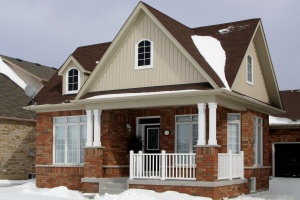
snow on a roof for a home in virginia

Asphalt shingles rely on factory-applied sealant strips that activate when exposed to heat and sunlight, bonding adjacent shingles together for wind resistance. Most manufacturers recommend installation when temperatures are at least 40 degrees because the sealant activates more reliably and shingles are easier to handle without cracking.

Northern Virginia’s four-season climate creates a narrower installation window than more temperate regions. According to the 1991 to 2020 climate normals for Washington Dulles International Airport, October temperatures average 67.8 degrees during the day and 45.3 degrees at night, which falls within the preferred range for asphalt shingle work while avoiding the extremes of summer and winter.

That said, weather on any individual day still matters. Rain, strong winds, frost, and roof surface temperatures can all push a scheduled installation, even during a favorable season.

Why Most Northern Virginia Contractors Recommend Fall Installation

Fall consistently delivers the best combination of installation conditions, material performance, and scheduling availability in this market. Mild daytime temperatures let shingles settle and sealant strips activate fully before winter’s extended cold arrives. That full bond is what gives the roof its wind resistance heading into the season that tests it most.

Summer storms also play a role in fall timing. High winds, hail, and falling branches can loosen shingles or create damage that worsens gradually. Homeowners who schedule a fall replacement after summer storm season can address that damage before snow, freezing temperatures, and ice dams increase the risk of water intrusion.

Moderate fall temperatures also benefit installation crews. Roofing materials handle better in mild conditions, and crews can maintain their pace and attention to detail throughout a full workday without the physical strain of extreme heat or cold.

What Spring Offers and Where It Falls Short

luxury American colonial traditional estate model home on a new development with two car garage

Spring provides moderate temperatures and a natural window to address winter damage before summer heat and storm season arrive. For homeowners who noticed lifted shingles, flashing issues, or attic water stains over the winter, spring roof replacement puts a new roof on before the next round of severe weather.

The challenge is scheduling. Contractor calendars in the NOVA area fill quickly once winter breaks, because every homeowner with winter damage is calling at the same time. If you’re targeting April through June, booking early in the year gives you the best chance of getting your preferred date.

What Spring Offers and Where It Falls Short

Spring provides moderate temperatures and a natural window to address winter damage before summer heat and storm season arrive. For homeowners who noticed lifted shingles, flashing issues, or attic water stains over the winter, spring replacement puts a new roof on before the next round of severe weather.

The challenge is scheduling. Contractor calendars in the NOVA area fill quickly once winter breaks, because every homeowner with winter damage is calling at the same time. If you’re targeting April through June, booking early in the year gives you the best chance of getting your preferred date.

What to Know About Summer and Winter Installation in NOVA

Summer installations are technically sound when handled by an experienced crew. Higher temperatures make roofing materials softer and more susceptible to scuffing, which requires careful handling and early morning start times to manage the heat. The bigger constraint is availability. Summer is peak demand season across Northern Virginia, and contractor calendars are typically the tightest of any quarter.

Winter installation is possible when temperatures stay above freezing, but cold weather slows sealant bonding and makes shingles more brittle and prone to cracking during handling. The Asphalt Roofing Manufacturers Association’s cold-weather recommendations outline specific procedures for low-temperature work, including warming materials before installation and hand-sealing shingles until warmer weather allows the adhesive strips to activate naturally. Some manufacturers restrict warranty coverage on installations performed below certain temperatures, which is worth confirming before scheduling winter work.

What Should Drive Your Timing Decision Beyond the Season

roof on a snow of a home in virginia

Seasonal conditions matter, but they shouldn’t outweigh the condition of your roof. Active leaks, widespread shingle damage, or a roof that has reached the end of its service life deserve prompt attention regardless of the month.

Personal deadlines carry real weight, too. Homeowners preparing to sell, working through an insurance claim, or approaching a homeowners insurance renewal may have timelines that make waiting for the ideal season impractical. In those cases, getting the project done on the right schedule matters more than getting it done in the perfect month.

Early planning is the common thread across all of these scenarios. The homeowners who have the most control over timing, contractor selection, and material choices are the ones who start the conversation well before they need the work done.

Schedule Your Roof Replacement with Pure Roofing

Quality contractors in Northern Virginia book weeks to months in advance, which means the best installation windows go to homeowners who plan ahead. Pure Roofing schedules residential replacements year-round and can help you identify the timing that makes the most sense for your roof’s condition, your budget, and your household’s schedule.

As an Owens Corning Platinum Preferred Contractor and GAF Certified Plus Residential Roofing Contractor, we install systems that qualify for the strongest manufacturer warranties available, and we’ll walk you through exactly what’s covered before you commit.

Contact Pure Roofing to schedule your inspection and lock in your preferred installation window before the busiest months fill the calendar.

Filed Under: Roofing

August 3, 2026 by Pure Roofing VA

insurance agent assesses damaged house roof with homeowner after a storm

A roof replacement is one of the largest single investments a homeowner makes, and the estimate is the first real indication of how the project will be managed. Two proposals may look similar at first glance, but small differences in materials, labor scope, or warranty coverage can significantly affect the finished result and its long-term value.

Knowing what belongs in a roofing estimate, and what’s often left out, gives you a much stronger position when comparing contractors in the Northern Virginia market.

In This Article: A closer look at the details that separate a thorough roofing estimate from a vague proposal can make it much easier to compare bids. You’ll also find common warning signs and practical questions that help you choose the right contractor for your Northern Virginia home.

What a Legitimate Roofing Estimate Should Always Include

A quality estimate does more than name a price. It specifies the shingle manufacturer and product line, underlayment type, leak barrier, flashing scope, and any anticipated decking repairs. Generic descriptions like “architectural shingles” or “roof replacement package” leave too much open to interpretation and make it impossible to compare one proposal against another.

Labor and project costs deserve the same level of detail. Separate line items for labor, tear-off, disposal, and project timeline show you where the money is going instead of folding everything into a single number that’s harder to question.

That detail matters most when tear-off reveals hidden damage. If the estimate doesn’t explain how decking repairs are handled, priced, and approved, you’re likely to face a surprise mid-project with no written framework to reference.

According to the National Roofing Contractors Association, written proposals should identify materials, scope of work, warranties, payment terms, and project schedule so homeowners can accurately compare contractors.

How to Compare Multiple Estimates Without Getting Misled

Comparing roofing estimates isn’t as simple as lining up three prices on a page. Homeowners across the NOVA area often receive proposals that look comparable on the surface but cover very different scopes of work underneath. Every proposal should include the same scope of work before costs become a meaningful basis for comparison.

One contractor may include premium synthetic underlayment, new drip edge, upgraded ventilation, and complete replacement of the flashing. Another may reuse existing flashing, install a basic underlayment, and charge separately for decking repairs.

The lowest bid isn’t always the strongest value if it excludes repairs, cleanup, underlayment, flashing, or other necessary details that a complete job requires. Before comparing numbers, confirm that every contractor is quoting the same roofing system, warranty level, and repair allowances.

The Line Items That Matter Most in a Roof Replacement Estimate

Some sections of a roof replacement estimate in Northern Virginia deserve extra attention because they have a lasting effect on performance and future maintenance.

The shingles are one example. Manufacturer, product line, and warranty tier all influence how the roof performs over its lifespan. A “lifetime” warranty from one manufacturer doesn’t provide the same coverage as a “lifetime” warranty from another. Review exactly what the manufacturer covers, what the contractor covers, and for how long.

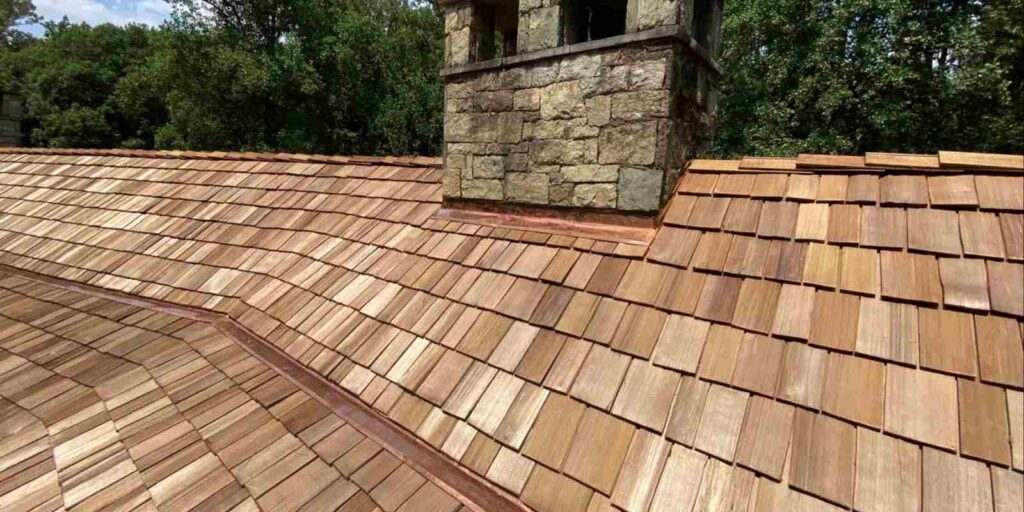
Newly installed cedar wood shake roof with stone chimney on a residential home surrounded by trees

Roof decking deserves similar attention, as damage often remains hidden until the existing roof is removed, making it impossible to predict every repair in advance. A detailed estimate should explain the allowance for decking replacement and list the cost of additional repairs if damaged wood is uncovered during installation.

Flashing replacement is another important item that’s frequently overlooked. Flashing protects every point where roofing materials meet walls, openings, or changes in slope, and it’s one of the most common leak sources on any roof. The estimate should state whether flashing will be replaced, repaired, or left in place. Reusing old flashing on a new roof is a cost-saving measure that often creates problems within a few years.

Red Flags That Should Stop You Before You Sign

Not every red flag is dramatic. Some of the most costly mistakes come from estimates that simply lack detail.

Missing material specifications make accurate comparisons impossible. A proposal that doesn’t name specific products is a proposal you can’t hold the contractor to.

Before any project begins, homeowners should verify the contractor’s Virginia license and current insurance documentation. Virginia’s contractor regulations require specific information in residential construction contracts, including licensing details. Virginia’s contractor hiring guidance also warns homeowners to think carefully before agreeing to a large payment before work begins.

High-pressure sales tactics, demands for immediate signatures, and promises that aren’t written into the estimate are all consistent warning signs. Any commitment not documented in the estimate is unenforceable, regardless of what was said in conversation.

Local presence matters, too. A contractor with a permanent office and an established reputation in Northern Virginia is easier to reach if warranty questions come up after the project is finished. A contractor who can’t be found six months later isn’t standing behind the work.

Questions to Ask Any Roofing Contractor Before Locking In

Clear questions lead to clear answers, and the answers tell you a lot about how the project will be managed. Before committing, ask:

  • Does the estimate include complete tear-off and disposal?
  • What happens if damaged decking is found after the old roofing is removed?
  • Which manufacturer warranty and workmanship warranty are included?
  • Will the manufacturer warranty be registered after installation?
  • Will employees or subcontractors perform the installation?
  • Do subcontractors carry their own insurance coverage?
  • How are unexpected repairs documented and approved during the project?

Requesting proof of workers’ compensation coverage when subcontractors are involved is a reasonable step, especially for a project this size.

Get a Transparent Roof Replacement Estimate from Pure Roofing

professional roof inspection checklist

Every Pure Roofing estimate identifies the specific shingle manufacturer and product line, underlayment, flashing scope, decking repair allowances, warranty terms, and a clear project timeline. We break out labor, materials, tear-off, and disposal as separate line items so you can see exactly where your investment is going. If tear-off uncovers damage that changes the scope, we document it and get your approval before moving forward.

As an Owens Corning Platinum Preferred Contractor and GAF Certified Plus Residential Roofing Contractor, we can offer warranty tiers that most contractors don’t qualify for, and we’ll explain exactly what each tier covers before you commit.

Contact Pure Roofing to schedule your estimate and see the difference between a number on a page and a plan you can actually hold a contractor to.

Filed Under: Roofing

Primary Sidebar

Pure Roofing logo

Service Areas

VA | DPOR#2705183167
MD | MHIC#05-151711
NC | Coming Soon
PA | PA220442

Licensed | Insured | Bonded

Request An Estimate

Contact

9352 Mike Garcia Drive
Manassas, VA 20109

(571) 725-2515
info@pureroofingva.com

Follow Us

Link to company Facebook page

Link to company Instagram page

Link to company LinkedIn page

Link to company X page

  • Roofing

    • Residential
    • Commercial
    • Emergency
    • Storm Damage
    • Financing
  • Services

    • Doors & Windows
    • Gutters
    • Insulation
    • Siding
    • Areas Served
  • Company

    • About
    • Contact
    • Referral Program
    • Our Process
    • Team
  • Resources

    • Blog
    • Careers
    • Gallery
    • Insurance Claims
    • Reviews

© 2026 Pure Roofing, LLC·Powered by 321 Web Marketing·Privacy Policy·Terms Of Use