• Skip to primary navigation
  • Skip to main content
  • Skip to primary sidebar

Proudly Serving VA, MD, & PA

  • Blog
  • Contact
  • Financing
(571) 725-2515
Pay Your Bill

Pure Roofing

Pure Roofing logoPure Roofing logo lightPure Roofing logo

Roof Repair & Replacement Contractor

  • Services

    • Roofing
    • Commercial Roofing
    • Doors & Windows
    • Siding
    • Gutters
    • Insulation
  • Storm Damage
    • Insurance Claims
  • Areas Served
  • About
    • Gallery
    • Referral Program
    • Reviews
    • Our Process
    • Team
  • Careers
    • Why Pure Roofing
    • Team Culture
    • Team Gallery
Emergency Roofing
Request An Estimate
Call (571) 725-2515

Pure Roofing VA

August 10, 2026 by Pure Roofing VA

Replacing your roof is a significant investment, and timing when you schedule the work affects more than convenience. The season you choose influences how materials perform during installation, how quickly sealants bond, and how much flexibility you have with contractor scheduling. In Northern Virginia, where the climate swings from humid summers to freezing winters, the timing window matters more than it does in milder regions.

In This Article: Why fall is the strongest season for roof replacement in Northern Virginia, what spring, summer, and winter each offer and where they fall short, and why the condition of your roof and your personal timeline may matter more than the calendar.

Why the Season You Choose Affects More Than Scheduling
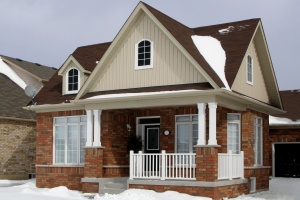
snow on a roof for a home in virginia

Asphalt shingles rely on factory-applied sealant strips that activate when exposed to heat and sunlight, bonding adjacent shingles together for wind resistance. Most manufacturers recommend installation when temperatures are at least 40 degrees because the sealant activates more reliably and shingles are easier to handle without cracking.

Northern Virginia’s four-season climate creates a narrower installation window than more temperate regions. According to the 1991 to 2020 climate normals for Washington Dulles International Airport, October temperatures average 67.8 degrees during the day and 45.3 degrees at night, which falls within the preferred range for asphalt shingle work while avoiding the extremes of summer and winter.

That said, weather on any individual day still matters. Rain, strong winds, frost, and roof surface temperatures can all push a scheduled installation, even during a favorable season.

Why Most Northern Virginia Contractors Recommend Fall Installation

Fall consistently delivers the best combination of installation conditions, material performance, and scheduling availability in this market. Mild daytime temperatures let shingles settle and sealant strips activate fully before winter’s extended cold arrives. That full bond is what gives the roof its wind resistance heading into the season that tests it most.

Summer storms also play a role in fall timing. High winds, hail, and falling branches can loosen shingles or create damage that worsens gradually. Homeowners who schedule a fall replacement after summer storm season can address that damage before snow, freezing temperatures, and ice dams increase the risk of water intrusion.

Moderate fall temperatures also benefit installation crews. Roofing materials handle better in mild conditions, and crews can maintain their pace and attention to detail throughout a full workday without the physical strain of extreme heat or cold.

What Spring Offers and Where It Falls Short
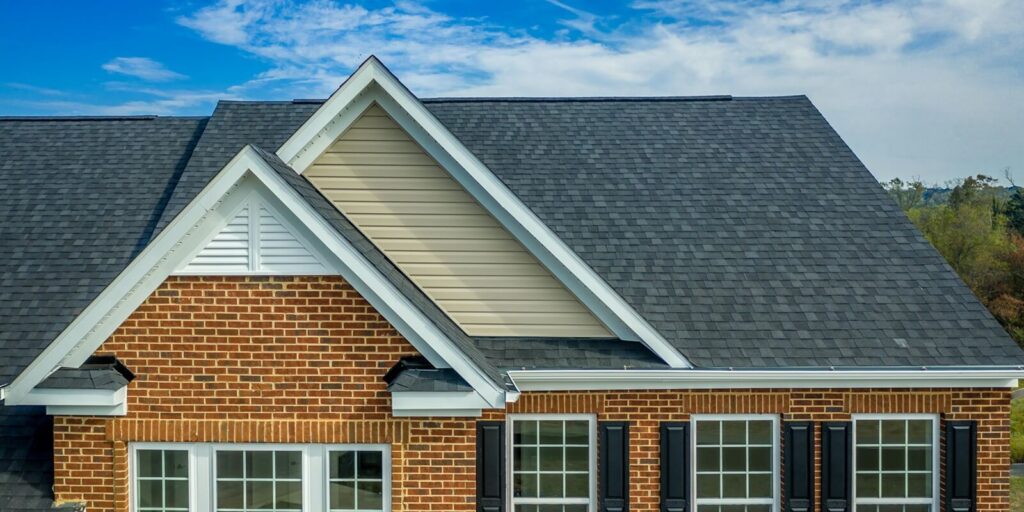
luxury American colonial traditional estate model home on a new development with two car garage

Spring provides moderate temperatures and a natural window to address winter damage before summer heat and storm season arrive. For homeowners who noticed lifted shingles, flashing issues, or attic water stains over the winter, spring roof replacement puts a new roof on before the next round of severe weather.

The challenge is scheduling. Contractor calendars in the NOVA area fill quickly once winter breaks, because every homeowner with winter damage is calling at the same time. If you’re targeting April through June, booking early in the year gives you the best chance of getting your preferred date.

What Spring Offers and Where It Falls Short

Spring provides moderate temperatures and a natural window to address winter damage before summer heat and storm season arrive. For homeowners who noticed lifted shingles, flashing issues, or attic water stains over the winter, spring replacement puts a new roof on before the next round of severe weather.

The challenge is scheduling. Contractor calendars in the NOVA area fill quickly once winter breaks, because every homeowner with winter damage is calling at the same time. If you’re targeting April through June, booking early in the year gives you the best chance of getting your preferred date.

What to Know About Summer and Winter Installation in NOVA

Summer installations are technically sound when handled by an experienced crew. Higher temperatures make roofing materials softer and more susceptible to scuffing, which requires careful handling and early morning start times to manage the heat. The bigger constraint is availability. Summer is peak demand season across Northern Virginia, and contractor calendars are typically the tightest of any quarter.

Winter installation is possible when temperatures stay above freezing, but cold weather slows sealant bonding and makes shingles more brittle and prone to cracking during handling. The Asphalt Roofing Manufacturers Association’s cold-weather recommendations outline specific procedures for low-temperature work, including warming materials before installation and hand-sealing shingles until warmer weather allows the adhesive strips to activate naturally. Some manufacturers restrict warranty coverage on installations performed below certain temperatures, which is worth confirming before scheduling winter work.

What Should Drive Your Timing Decision Beyond the Season
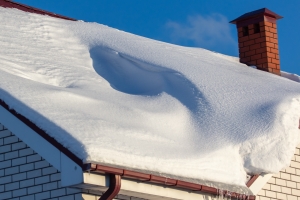
roof on a snow of a home in virginia

Seasonal conditions matter, but they shouldn’t outweigh the condition of your roof. Active leaks, widespread shingle damage, or a roof that has reached the end of its service life deserve prompt attention regardless of the month.

Personal deadlines carry real weight, too. Homeowners preparing to sell, working through an insurance claim, or approaching a homeowners insurance renewal may have timelines that make waiting for the ideal season impractical. In those cases, getting the project done on the right schedule matters more than getting it done in the perfect month.

Early planning is the common thread across all of these scenarios. The homeowners who have the most control over timing, contractor selection, and material choices are the ones who start the conversation well before they need the work done.

Schedule Your Roof Replacement with Pure Roofing

Quality contractors in Northern Virginia book weeks to months in advance, which means the best installation windows go to homeowners who plan ahead. Pure Roofing schedules residential replacements year-round and can help you identify the timing that makes the most sense for your roof’s condition, your budget, and your household’s schedule.

As an Owens Corning Platinum Preferred Contractor and GAF Certified Plus Residential Roofing Contractor, we install systems that qualify for the strongest manufacturer warranties available, and we’ll walk you through exactly what’s covered before you commit.

Contact Pure Roofing to schedule your inspection and lock in your preferred installation window before the busiest months fill the calendar.
Filed Under: Roofing

August 3, 2026 by Pure Roofing VA

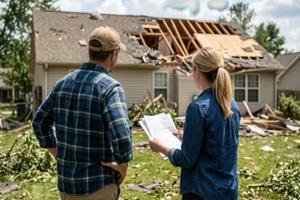
insurance agent assesses damaged house roof with homeowner after a storm

A roof replacement is one of the largest single investments a homeowner makes, and the estimate is the first real indication of how the project will be managed. Two proposals may look similar at first glance, but small differences in materials, labor scope, or warranty coverage can significantly affect the finished result and its long-term value.

Knowing what belongs in a roofing estimate, and what’s often left out, gives you a much stronger position when comparing contractors in the Northern Virginia market.

In This Article: A closer look at the details that separate a thorough roofing estimate from a vague proposal can make it much easier to compare bids. You’ll also find common warning signs and practical questions that help you choose the right contractor for your Northern Virginia home.

What a Legitimate Roofing Estimate Should Always Include

A quality estimate does more than name a price. It specifies the shingle manufacturer and product line, underlayment type, leak barrier, flashing scope, and any anticipated decking repairs. Generic descriptions like “architectural shingles” or “roof replacement package” leave too much open to interpretation and make it impossible to compare one proposal against another.

Labor and project costs deserve the same level of detail. Separate line items for labor, tear-off, disposal, and project timeline show you where the money is going instead of folding everything into a single number that’s harder to question.

That detail matters most when tear-off reveals hidden damage. If the estimate doesn’t explain how decking repairs are handled, priced, and approved, you’re likely to face a surprise mid-project with no written framework to reference.

According to the National Roofing Contractors Association, written proposals should identify materials, scope of work, warranties, payment terms, and project schedule so homeowners can accurately compare contractors.

How to Compare Multiple Estimates Without Getting Misled

Comparing roofing estimates isn’t as simple as lining up three prices on a page. Homeowners across the NOVA area often receive proposals that look comparable on the surface but cover very different scopes of work underneath. Every proposal should include the same scope of work before costs become a meaningful basis for comparison.

One contractor may include premium synthetic underlayment, new drip edge, upgraded ventilation, and complete replacement of the flashing. Another may reuse existing flashing, install a basic underlayment, and charge separately for decking repairs.

The lowest bid isn’t always the strongest value if it excludes repairs, cleanup, underlayment, flashing, or other necessary details that a complete job requires. Before comparing numbers, confirm that every contractor is quoting the same roofing system, warranty level, and repair allowances.

The Line Items That Matter Most in a Roof Replacement Estimate

Some sections of a roof replacement estimate in Northern Virginia deserve extra attention because they have a lasting effect on performance and future maintenance.

The shingles are one example. Manufacturer, product line, and warranty tier all influence how the roof performs over its lifespan. A “lifetime” warranty from one manufacturer doesn’t provide the same coverage as a “lifetime” warranty from another. Review exactly what the manufacturer covers, what the contractor covers, and for how long.

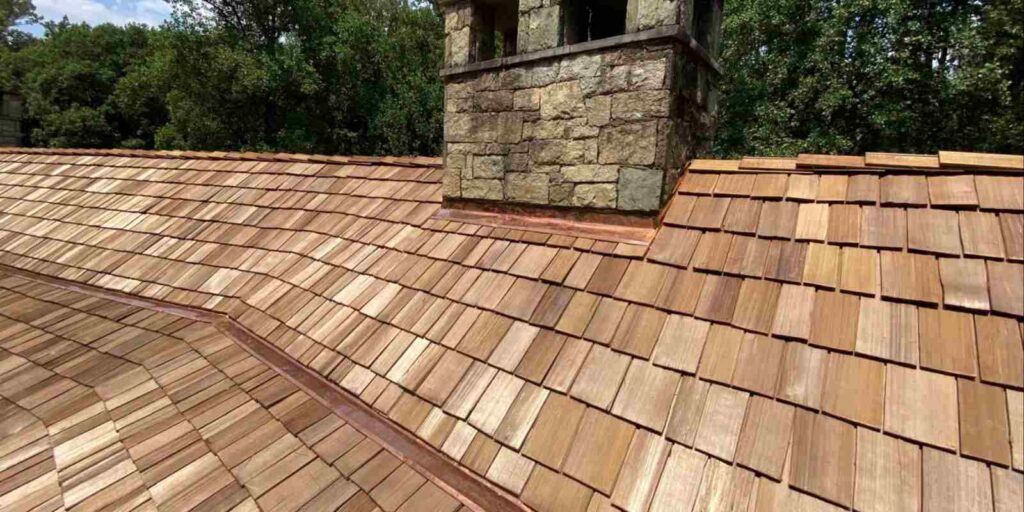
Newly installed cedar wood shake roof with stone chimney on a residential home surrounded by trees

Roof decking deserves similar attention, as damage often remains hidden until the existing roof is removed, making it impossible to predict every repair in advance. A detailed estimate should explain the allowance for decking replacement and list the cost of additional repairs if damaged wood is uncovered during installation.

Flashing replacement is another important item that’s frequently overlooked. Flashing protects every point where roofing materials meet walls, openings, or changes in slope, and it’s one of the most common leak sources on any roof. The estimate should state whether flashing will be replaced, repaired, or left in place. Reusing old flashing on a new roof is a cost-saving measure that often creates problems within a few years.

Red Flags That Should Stop You Before You Sign

Not every red flag is dramatic. Some of the most costly mistakes come from estimates that simply lack detail.

Missing material specifications make accurate comparisons impossible. A proposal that doesn’t name specific products is a proposal you can’t hold the contractor to.

Before any project begins, homeowners should verify the contractor’s Virginia license and current insurance documentation. Virginia’s contractor regulations require specific information in residential construction contracts, including licensing details. Virginia’s contractor hiring guidance also warns homeowners to think carefully before agreeing to a large payment before work begins.

High-pressure sales tactics, demands for immediate signatures, and promises that aren’t written into the estimate are all consistent warning signs. Any commitment not documented in the estimate is unenforceable, regardless of what was said in conversation.

Local presence matters, too. A contractor with a permanent office and an established reputation in Northern Virginia is easier to reach if warranty questions come up after the project is finished. A contractor who can’t be found six months later isn’t standing behind the work.

Questions to Ask Any Roofing Contractor Before Locking In

Clear questions lead to clear answers, and the answers tell you a lot about how the project will be managed. Before committing, ask:

  • Does the estimate include complete tear-off and disposal?
  • What happens if damaged decking is found after the old roofing is removed?
  • Which manufacturer warranty and workmanship warranty are included?
  • Will the manufacturer warranty be registered after installation?
  • Will employees or subcontractors perform the installation?
  • Do subcontractors carry their own insurance coverage?
  • How are unexpected repairs documented and approved during the project?

Requesting proof of workers’ compensation coverage when subcontractors are involved is a reasonable step, especially for a project this size.

Get a Transparent Roof Replacement Estimate from Pure Roofing

professional roof inspection checklist

Every Pure Roofing estimate identifies the specific shingle manufacturer and product line, underlayment, flashing scope, decking repair allowances, warranty terms, and a clear project timeline. We break out labor, materials, tear-off, and disposal as separate line items so you can see exactly where your investment is going. If tear-off uncovers damage that changes the scope, we document it and get your approval before moving forward.

As an Owens Corning Platinum Preferred Contractor and GAF Certified Plus Residential Roofing Contractor, we can offer warranty tiers that most contractors don’t qualify for, and we’ll explain exactly what each tier covers before you commit.

Contact Pure Roofing to schedule your estimate and see the difference between a number on a page and a plan you can actually hold a contractor to.

Filed Under: Roofing

  • « Go to Previous Page
  • Page 1
  • Page 2
  • Page 3

Primary Sidebar

Pure Roofing logo

Service Areas

VA | DPOR#2705183167
MD | MHIC#05-151711
NC | Coming Soon
PA | PA220442

Licensed | Insured | Bonded

Request An Estimate

Contact

Virginia & Maryland
9352 Mike Garcia Drive
Manassas, VA 20109

Pennsylvania
206 S Market St. #207
Elizabethtown, PA 17022

(571) 725-2515
info@pureroofingva.com

Follow Us

Link to company Facebook page

Link to company Instagram page

Link to company LinkedIn page

Link to company X page

  • Roofing

    • Residential
    • Commercial
    • Emergency
    • Storm Damage
    • Financing
  • Services

    • Doors & Windows
    • Gutters
    • Insulation
    • Siding
    • Areas Served
  • Company

    • About
    • Contact
    • Referral Program
    • Our Process
    • Team
  • Resources

    • Blog
    • Careers
    • Gallery
    • Insurance Claims
    • Reviews

© 2026 Pure Roofing, LLC·Powered by 321 Web Marketing·Privacy Policy·Terms Of Use