
• Skip to primary navigation
  • Skip to main content
  • Skip to primary sidebar

Proudly Serving VA, MD, & PA

  • Blog
  • Contact
  • Financing
(571) 725-2515

Pure Roofing

Pure Roofing logoPure Roofing logo lightPure Roofing logo

Roof Repair & Replacement Contractor

  • Services

    • Roofing
    • Commercial Roofing
    • Doors & Windows
    • Siding
    • Gutters
    • Insulation
  • Storm Damage
    • Insurance Claims
  • Areas Served
  • About
    • Gallery
    • Referral Program
    • Reviews
    • Our Process
    • Team
  • Careers
    • Why Pure Roofing
    • Team Culture
    • Team Gallery
Emergency Roofing
Request An Estimate
Call (571) 725-2515

Roofing

July 28, 2026 by Billy Sampson

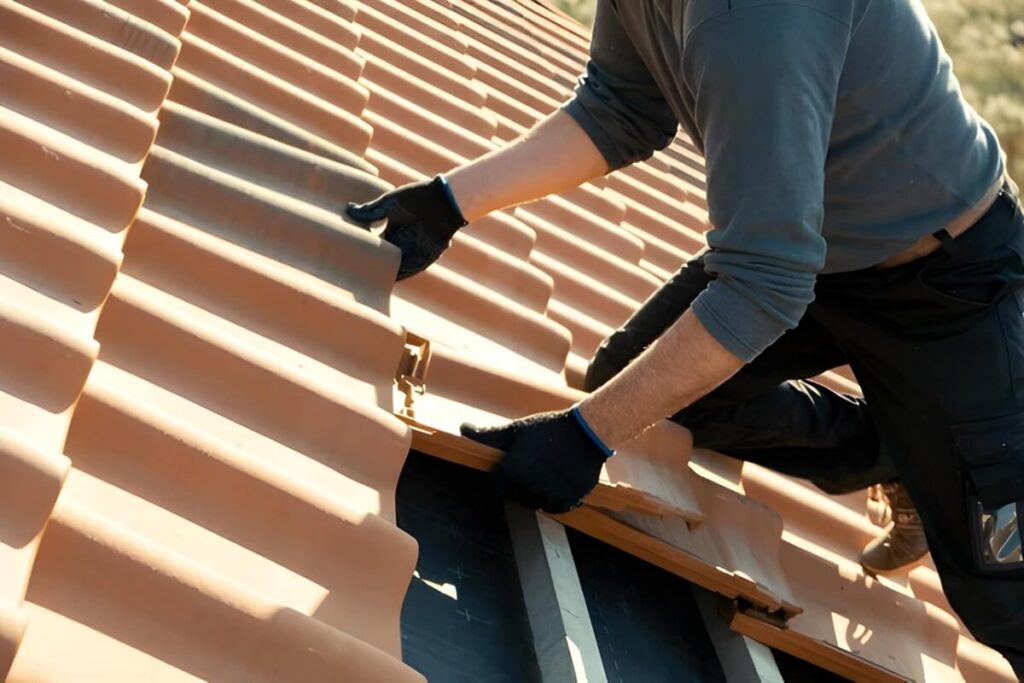
worker hands installing yellow ceramic roofing tiles mounted on wooden boards covering residential building roof under construction

Winter is hard on Northern Virginia roofs. Freeze-thaw cycles, ice buildup, high winds, and months of moisture stress roofing systems in ways that often stay hidden until temperatures rise and the snow clears. A thorough spring inspection catches that damage before summer storm season compounds it, and for some homeowners, it’s the first clear indication that replacement belongs in the conversation.

This checklist covers both exterior and interior inspection points specific to the NOVA climate, along with guidance on which findings call for a repair and which ones, taken together, point toward a larger decision.

Why Spring Is the Right Time to Inspect Your Roof

Northern Virginia winters put roofing systems through repeated freeze-thaw cycles, sustained wind, snow loads, and periods of ice accumulation. When moisture gets trapped around shingles or flashing, freezing and thawing expands small openings and creates damage that stays hidden for months.

Spring offers clear visibility and a window to act before summer storms arrive. According to the National Weather Service, severe thunderstorms produce wind gusts of at least 58 mph or hail measuring 1 inch or larger, both of which can damage roofing materials that are already compromised. Catching winter damage early means addressing it on your timeline, not during an emergency.

Exterior Checklist: What to Inspect from the Ground

You can identify many warning signs without climbing onto the roof. Binoculars or a phone camera with zoom give you a closer look while keeping the inspection safe.

Shingles and Surface Condition

Scan every visible roof slope for missing shingles, curling edges, cracked tabs, lifted corners, and uneven surfaces. Pay attention to color variations or exposed dark patches, especially on south-facing slopes where UV exposure is heaviest. Those patches mean granules have worn away, and granule loss accelerates shingle aging.

If you’re seeing excessive granules collecting in your gutters, the shingles are shedding faster than normal. The National Roofing Contractors Association recommends inspecting your roof at least twice a year because regular checks catch damaged shingles, failing flashing, and early leak risks before they escalate.

Gutters and Downspouts

Gutters reveal a lot about roof condition. Granule buildup in the channels, sagging sections, standing water, and gutters pulling away from the fascia board all point toward maintenance needs that shouldn’t wait.

Confirm that downspouts are directing water well away from the foundation. Poor drainage contributes to soil erosion, basement moisture, and water pooling around the structure, problems that start at the roofline and end at the foundation.

Flashing Around Chimneys, Vents, and Valleys

Flashing failures are among the most common leak sources in Northern Virginia homes, and they deserve close attention during a spring inspection. Look for rust, loose metal, cracked sealant, or visible gaps around chimneys, plumbing vents, skylights, and roof valleys. Water follows these weak points long before stains appear inside the home.

Ridge Line and Roof Edge

Finish the exterior check by looking along the ridge for displaced or missing cap shingles. Scan the eaves for any visible sagging, which may indicate moisture has reached the structural members underneath. Soft-looking fascia boards or deteriorated trim are another sign that water has been entering the system over time.

Attic Inspection: The Interior Signs Most Homeowners Miss

craftsman treasure a fired ceramic tile on the roof

Some of the most telling signs of roof damage show up inside the attic before they appear anywhere else in the home. A flashlight and a careful walk through accessible attic space can reveal conditions that aren’t visible from any exterior vantage point.

Insulation and Moisture

Check insulation for damp sections, discoloration, or areas where it has lost its normal thickness. Dry stains matter, too. They confirm previous water intrusion even when no active leak is present. A musty smell in the attic indicates moisture has been present long enough for mold to start developing.

Decking and Structural Members

Look at the roof decking from below, along with any visible rafters, for dark staining, soft wood, mold growth, rusted nail tips, or visible water trails. These signs all indicate moisture has entered the roofing system. When multiple indicators appear together, they typically reflect an ongoing issue rather than a single weather event.

Attic Ventilation

Proper attic airflow extends the life of shingles, decking, and attic materials. Confirm that soffit, ridge, and gable vents are clear of insulation, debris, and animal nests. ENERGY STAR notes that proper attic ventilation removes excess heat during warmer months while reducing moisture buildup that shortens the lifespan of roofing materials.

Poor ventilation is a frequently overlooked contributor to premature roof failure, and spring is the right time to confirm the system is working the way it should.

What Your Checklist Findings Actually Mean

One isolated issue doesn’t automatically mean your roof is at the end of its life. A handful of missing shingles, limited granule loss in one area, or a loose section of flashing typically points toward a targeted repair before summer storm season.

Patterns tell a different story. Widespread shingle deterioration, flashing problems in several locations, attic staining, wet insulation, and signs of structural moisture appearing together suggest the roof is declining as a system, not failing in one spot. At that point, the conversation shifts from “what do we fix” to “does this roof still justify continued investment in repairs.”

A professional inspection provides the full picture that a ground-level check and attic walkthrough can’t. A qualified contractor evaluates the roof’s overall condition, how the findings relate to the roof’s age and remaining service life, and whether repair or replacement delivers the better long-term value.

Schedule Your Spring Inspection Before Storm Season Arrives
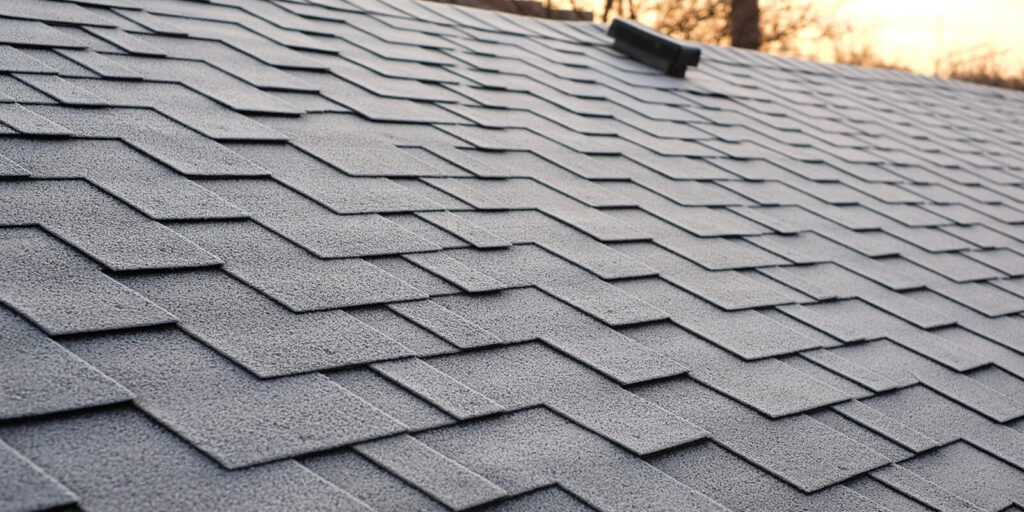
view on asphalt roofing shingles background

Many homeowners start their spring inspection expecting routine maintenance and come away with a clearer picture of where their roof actually stands. That clarity is valuable whether the answer is a minor repair or a larger conversation about replacement.

Pure Roofing provides professional spring inspections across Northern Virginia for homeowners who want an expert assessment alongside their own findings. Contact us today to schedule yours and get a straight answer on what your roof needs before the next round of severe weather.
Filed Under: Roofing

July 21, 2026 by Billy Sampson

home roof damaged by storm

After a storm passes and the sky clears, waiting a few days for a contractor feels reasonable. The visible damage may look small from the ground, and a full roof replacement might seem like the last thing you need to worry about.

But the period between storm damage and professional repair is when secondary damage does the most financial harm. An unprotected breach gives water a direct path into your home, and every rain event that follows compounds the problem. A properly installed tarp is the single most effective way to close that gap.

The Wait-and-See Temptation (And Why It Costs More Than Expected)

Most homeowners don’t rush into action after a storm. They check the attic, glance at the ceiling, look at the roof from the driveway, and decide to wait for a contractor or adjuster appointment.

That instinct is understandable. However, missing shingles, lifted flashing, damaged ridge caps, punctures from debris, and bruised roofing materials can all leave the home exposed while appearing minor from the ground.

The waiting becomes expensive if another rain event arrives before the roof is protected. In Northern Virginia, spring and summer storms often arrive in clusters, and the gap between one weather event and the next is rarely long enough for an unprotected roof to survive without additional damage. Professional tarping closes that window. The goal isn’t a permanent repair on the spot; it’s preventing the damage from growing while a qualified contractor assesses the full scope.

What Happens to an Unprotected Roof Breach in Northern Virginia

A breach doesn’t have to be large to cause serious problems. Once water gets beneath the outer roofing layer, it travels across underlayment, soaks exposed decking, enters the attic, saturates insulation, and moves into wall cavities.

Northern Virginia’s climate compresses that timeline. Lingering humidity slows the drying process inside attics and enclosed spaces, which means moisture that enters through a breach tends to stay longer and spread farther than homeowners expect.

The EPA notes that wet materials should generally be dried within 24 to 48 hours to reduce mold risk. That’s a narrow window when the roof is still open and the next storm is on the forecast.

Even a small opening can allow repeated water intrusion that turns a contained repair into a larger structural concern. The longer the breach stays unprotected, the more the cost of fixing it climbs.

Why DIY Tarping Often Creates a Second Problem

A tarp looks simple from the ground, but installing one on a storm-damaged roof is rarely straightforward:

house with new roof being installed
  • The surface may be slick, weakened, or unstable after impact or prolonged moisture exposure.
  • Wind can lift loose material and turn a partial fix into additional damage.
  • Damaged shingles may tear further under foot traffic, widening the breach.

Incorrect tarping creates its own set of problems:

  • An undersized tarp may leave the upslope entry point exposed, which is exactly where water enters first.
  • Poor fasteners pull loose during the next wind event, leaving the roof unprotected again.
  • Improvised anchors can damage shingles, gutters, or siding around the breach.
  • A tarp placed too tightly over wet decking traps moisture where the roof needs airflow.

The National Roofing Contractors Association recommends that homeowners assess storm damage from a safe ground-level position and leave roof access, inspection, and repair work to professionals. Professional tarping uses heavy-duty polyethylene sheeting secured with wood battens or proper fasteners, not improvised materials that shift with the next gust. The coverage area, securement method, and understanding of how water moves across a roof surface are what separate effective protection from a tarp that makes the situation worse.

What a Proper Emergency Tarp Installation Actually Covers

Professional tarping addresses more than the visible damage. Roof leaks often begin above the obvious opening, then travel along decking and framing before showing up inside the home. A proper installation covers the breach itself, the surrounding shingles, nearby ridge sections, exposed decking, and any compromised flashing or valleys connected to the damaged zone.

The materials matter, too. Durable polyethylene sheeting secured with wood battens or appropriate fastening methods stays in place as conditions change. The goal is controlled, temporary protection that holds through follow-on weather until a permanent repair or replacement plan is in place.

CertainTeed recommends having a roofing contractor cover exposed areas with a waterproof tarp immediately after storm damage. A proper tarping visit should also include a preliminary condition assessment that gives the homeowner an early indication of whether targeted repair or full replacement is the more realistic outcome.

How Tarping Protects Your Insurance Claim as Much as Your Roof

Most homeowner policies include a duty-to-mitigate provision that requires policyholders to take reasonable protective steps after a covered loss.Virginia’s State Corporation Commission advises homeowners to make necessary temporary repairs, such as patching roof holes, as soon as possible after a disaster.

Failing to protect a breached roof and then filing a claim for secondary water damage can result in a partial denial, as the carrier may argue the homeowner didn’t fulfill their mitigation obligation.

Tarping creates a documented record of prompt protective action. Photos before and after the installation, contractor notes, invoices, and inspection findings build a timeline that supports your claim when you file it. Save all receipts for emergency materials and services.

A roofing contractor doesn’t decide coverage, approve payment, or act as a public adjuster. The claims process is between you and your insurer. But organized documentation from a qualified contractor gives you a stronger foundation for that conversation.

Protect Your Roof Now, Decide Your Next Step With Confidence

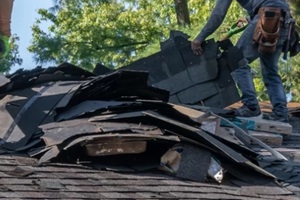
roofers removing old material from a house in preparation for storm damage repair

Delayed protection doesn’t automatically mean every roof will need full replacement. But, homeowners who act quickly after storm damage in the NOVA area typically have more options and lower total project costs than those who wait.

If the storm has passed but your roof is still exposed, contact Pure Roofing to schedule emergency tarping and a full damage assessment. We’ll protect the home, document the condition, and give you an honest answer on whether repair or replacement is the right path forward.

Filed Under: Roofing

July 14, 2026 by Billy Sampson

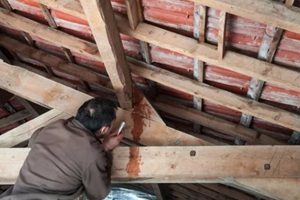
man inspecting the damaged roof

A ceiling stain, missing shingles, or a sudden drip after a storm can leave you trying to figure out how serious the situation actually is. Does this need a same-day emergency call, or can it wait for a scheduled appointment?

Getting that answer wrong goes in either direction. Calling for emergency service when the roof isn’t actively at risk creates unnecessary cost. Waiting too long when water is already entering the home can lead to damage that spreads far beyond the roof itself, sometimes to the point where replacement becomes the only practical option.

Quick framework for assessing your situation:

  • Emergency (call now): Active water intrusion, structural sagging, or large sections of missing shingles exposing the deck
  • Urgent (schedule within days): Partially lifted flashing, small punctures, or localized storm damage that isn’t actively leaking but leaves the roof exposed
  • Monitor and plan: Granule loss, surface wear, isolated cosmetic damage with no water intrusion

Why Getting the Severity Right Matters Before You Call

The starting question is simple. Is the home actively being damaged right now? Water intrusion, structural movement, and wide-open exposure to rain or wind deserve fast attention. Cosmetic wear, minor shingle loss, and age-related surface damage fall into a different category.

Moisture timing matters. According to the EPA, mold growth typically begins when wet materials aren’t dried within 24 to 48 hours. Once water reaches insulation, drywall, framing, or flooring, the window to respond gets much shorter.

Most homeowners can’t safely judge the full condition of a roof from the ground. A qualified contractor can identify hidden damage around flashing, valleys, vents, skylights, and underlayment that may not be visible during a quick look from the driveway.

What Counts as a Roofing Emergency

Some roofing problems can wait a day or two for a scheduled inspection. Others demand immediate attention because the home is actively vulnerable.

Active, Uncontrolled Water Intrusion

Water actively leaking into a living area is one of the clearest signals that the situation can’t wait. Dripping near electrical panels, light fixtures, outlets, or ceiling fans deserves immediate professional attention.

High-volume leaks require fast action even when buckets are catching the water, because moisture can soak into insulation, drywall, flooring, and framing behind the ceiling where you can’t see it.

Storm-driven rain often exposes weak areas that homeowners didn’t realize existed. A sudden leak after a storm may point to lifted shingles, compromised flashing, or punctured roofing materials that were holding up until the weather pushed them past their limit.

Structural Collapse or Visible Sagging

Sagging, bowing, or partial collapse after storm impact should always be treated as a serious safety concern. Stay out of the area below the damaged section until a professional confirms conditions are safe.

Strong winds, fallen limbs, prolonged moisture, or weakened decking can all cause visible roof movement. Even if active leaks haven’t started yet, structural damage is a strong reason to call immediately.

Large Areas of Missing or Displaced Shingles

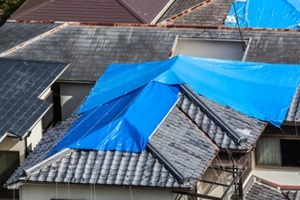
view of houses hit by natural disaster, with damaged tiled roof covered with blue tarp

A few missing shingles may be urgent, but a large exposed section creates a very different level of risk. Once shingles are torn away across a broad area, the deck and underlayment are exposed directly to rain and wind.

Northern Virginia storms can intensify quickly during severe weather season. According to the National Weather Service, severe thunderstorms can include wind gusts of 58 mph or greater, which can worsen existing openings rapidly. Homeowners dealing with widespread shingle loss shouldn’t wait for the next round of weather to make the call.

What Does Not Count as a Roofing Emergency

Some roof problems deserve prompt attention without requiring after-hours emergency service. The goal is to respond appropriately without assuming every issue is an immediate crisis.

Missing Shingles After a Minor Wind Event

One or two missing shingles without active leaking generally isn’t an emergency, provided the underlying membrane appears intact. It’s still worth scheduling an inspection soon, especially if the missing shingles are near valleys, chimneys, or roof edges where water is more likely to find a path in.

Don’t climb onto the roof yourself. Ground-level photos, attic observations, and notes about recent weather give your contractor useful information to work with.

Granule Loss and Surface Wear

Granules collecting in gutters or near downspouts often point to aging shingles and long-term wear. Surface deterioration signals that the roof is approaching the point where replacement becomes a more practical investment than continued repairs.

Granule loss alone doesn’t justify an emergency call. When it’s accompanied by leaks, exposed decking, or storm-related damage, the urgency level changes.

Small, Isolated Leaks Away From Critical Areas

A slow drip away from electrical systems or structural elements can typically be addressed through a scheduled repair visit. That said, minor leaks shouldn’t be ignored. Move valuables away from the affected area, contain the water, and document the damage with photos. The Virginia State Corporation Commission advises homeowners to document damage promptly after storms and keep records of any temporary protective steps taken.

The In-Between Zone: Urgent but Not an Emergency

Many roofing issues fall between “call right now” and “schedule something next month.” Damage in this category may not threaten the home within hours, but Northern Virginia weather can turn within days, and exposed areas will worsen when rain or wind returns.

Partially lifted flashing, small membrane punctures, localized storm damage, and minor openings around vents or skylights often land in this middle ground. The roof may not be actively leaking, but parts of the system are exposed and vulnerable.

A professional inspection helps determine whether the damage calls for a quick repair, monitoring, or a larger restoration plan. Homeowners often underestimate how fast smaller openings can spread after repeated storms in the NOVA area.

From Assessment to Action: Schedule an Inspection

house with new roof being installed

Emergency calls sometimes uncover issues far beyond the first visible leak. An inspection may reveal soft decking, failing underlayment, brittle shingles, recurring leak paths, or damage spanning several roof sections.

Repairs still make sense when the damage is isolated and the rest of the roof remains in strong condition. Replacement becomes the smarter long-term decision when widespread aging, multiple leaks, or extensive storm damage reduce the reliability of future repairs.

Whether the situation is an emergency, urgent, or somewhere in between, Pure Roofing is ready to give you a clear, honest assessment. Contact us today or call (571) 445-8032 to schedule a professional inspection and find out whether repair or replacement is the right path forward.

Filed Under: Roofing

July 7, 2026 by Billy Sampson

home roof damaged by storm

Storm damage can turn a quiet evening into a race against water. A breached roof leaves your home exposed to rain, wind, insulation saturation, ruined drywall, and electrical hazards, and those problems compound with every hour the opening stays unprotected.

What you do between discovering the damage and the contractor arriving on-site makes a real difference in how much the repair ultimately costs, what your insurance documentation looks like, and whether the situation stays manageable or escalates into something larger.

What this guide covers:

  • Assessing the situation safely before taking action
  • Controlling water intrusion from inside the home
  • Covering the breach with a temporary tarp
  • Documenting everything before cleanup begins
  • Recognizing when the damage points toward replacement rather than repair

What Storm Damage Can Do to Your Home in 24 Hours

A roof breach creates an open path for water, allowing damage to occur in more than just the entry area. Rainwater travels beneath shingles, through decking, along rafters, and into wall cavities before most homeowners notice the first ceiling stain. According to the Insurance Institute for Business & Home Safety, roof-related damage accounts for 70% to 90% of insured residential catastrophic losses during major weather events.

A small breach can escalate significantly when a second round of rain passes through Northern Virginia before repairs begin.

  • Drywall absorbs moisture quickly. 
  • Insulation loses effectiveness once saturated. 
  • Hardwood flooring warps after prolonged exposure. 
  • Electrical fixtures near active leaks become hazardous. 

Older roofing systems are especially vulnerable. Storm damage sometimes exposes failing underlayment, weakened decking, or widespread material deterioration that had been developing quietly for years. In those situations, the conversation shifts from repair to replacement.

Step 1: Put Safety First Before Taking Any Action

Stay off the roof entirely. Wet shingles, hidden soft spots, and structural instability create dangerous conditions after severe weather. Ground-level inspections with binoculars are far safer and will give you a reasonable view of the visible damage.

Avoid rooms with sagging ceilings or active leaks until a professional can evaluate the structure. Waterlogged drywall can collapse without warning. Cracking sounds, bowing ceilings, and visible impacts from fallen limbs all indicate the area may not be stable.

Water near electrical outlets, breaker panels, ceiling fixtures, or appliances adds another layer of risk. Ready.gov advises homeowners to avoid touching electrical equipment when water is present. The Electrical Safety Foundation International notes that flooded electrical components can remain hazardous even after visible moisture disappears.

Focus on personal safety and interior damage control while waiting for your contractor.

Step 2: Limit Water Intrusion from Inside the Home

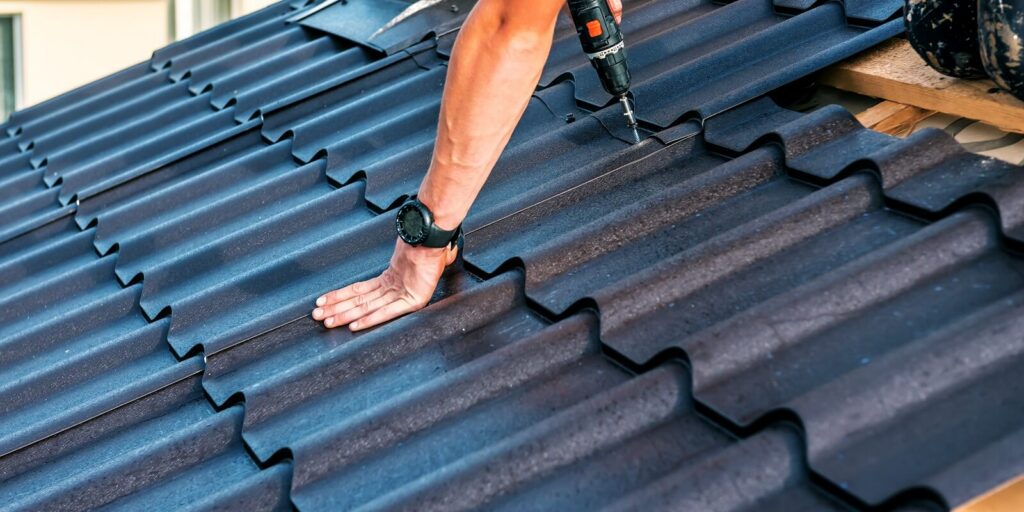
roof master with electric screwdriver

Move fast, but move smart. Place buckets or large containers directly under active drips. Lay heavy plastic sheeting across flooring in the affected area. Relocate electronics, rugs, documents, artwork, and anything else that can be moved away from the water’s path.

Water often spreads farther than expected, particularly when it moves behind walls or pools above ceiling surfaces. If a ceiling shows a visible bulge where water has collected, carefully puncture the lowest point to drain it into a bucket before it spreads across a wider area. Make sure you have stable footing and that the ceiling isn’t at risk of a larger collapse before attempting this.

Fans and ventilation help reduce lingering moisture after the active leak is controlled, but the priority is always stopping the water first. Insulation, framing, and flooring all absorb moisture quickly, and the longer they stay wet, the harder they are to salvage.

Step 3: Cover the Breach with a Temporary Tarp

A heavy-duty polyethylene tarp draped over the damaged section of the roof is the most effective short-term protection available. The tarp should extend well beyond the damaged area, and the edges need to be secured with boards, sandbags, or weighted materials so wind doesn’t lift it.

Work from the ground whenever possible. Some homeowners can secure a tarp from a ladder, porch roof, or an accessible lower section without stepping onto the damaged surface. Do not attempt to tarp the roof in high winds, lightning, steep conditions, or when structural damage is visible.

An improperly secured tarp can make things worse if Northern Virginia weather shifts before the contractor arrives. If you can’t secure it safely and completely, it’s better to focus on interior containment and wait for the crew.

Tarping is a temporary measure. It buys time. It does not replace a professional repair, and water may still find its way beneath the roofing materials if the underlying system has widespread damage.

Step 4: Document Every Area of Damage Before Cleanup Begins

Strong documentation is what separates a smooth insurance claim from a frustrating one. Photograph and video everything before you clean up, move furniture, or make any temporary repairs.

Start with wide shots of each affected room, then move in for detailed images of ceiling stains, soaked drywall, warped flooring, damaged insulation, and affected belongings. Exterior photos from the ground should capture missing shingles, fallen branches, gutter damage, flashing issues, and any visible punctures or impacts.

Video walkthroughs are especially useful for documenting active leaks and showing the overall condition of the home immediately after the storm. Save all receipts for emergency supplies: tarps, buckets, fans, and any other protective materials.

A written contractor assessment adds another layer of clarity. A professional inspection with dated photos and documented findings gives you a specific, organized record that supports any conversation about repair scope, replacement planning, or next steps with your insurer.

When Emergency Damage Points Toward a Full Roof Replacement

roofers removing old material from a house in preparation for storm damage repair

Some storm damage can be repaired with targeted work on a specific area. Other situations reveal problems that go well beyond what a patch or a section repair can address.

Widespread shingle loss, soft or water-damaged decking, failing underlayment, and extensive interior water intrusion often signal that the roofing system has deteriorated past the point where another repair adds meaningful life. Aging roofs that have already been repaired multiple times are especially likely to reach this threshold after a severe NOVA storm season.

The inspection findings drive that decision. Once the immediate situation is stabilized, a full professional assessment of the roof system, not just the visible damage, is the only way to know whether repair or replacement is the right path.

Contact Pure Roofing to schedule an inspection after storm damage. We’ll assess the full scope of the situation and give you an honest answer on how to proceed, whether that’s a targeted repair or a conversation about replacement.

Filed Under: Roofing

May 12, 2026 by Billy Sampson

After a hailstorm in Northern Virginia, many homeowners look at their roof from the driveway and assume everything is fine because nothing is obviously broken. That’s where the problem starts. Hail doesn’t always leave visible holes or missing shingles. It leaves bruising, granule loss, and fractures that weaken the roofing material over time, often without creating an obvious sign from the ground.

The difference between hail damage and normal wear changes everything about how to move forward, including whether a repair makes sense, whether replacement belongs in the conversation, and whether the damage qualifies for an insurance claim. Getting that distinction wrong means potentially absorbing a cost that your policy may have covered.

Why Misreading Your Roof After a Hailstorm Can Cost You Thousands

Failing to identify storm-related damage doesn’t just delay a repair. It can mean paying out of pocket for work that your homeowner’s insurance may have been designed to cover. Hail damage that goes undocumented is hail damage that can’t be claimed.

The financial stakes are real, and they go up the longer the damage sits unaddressed. What starts as a shingle issue can become a decking problem, an insulation problem, or an interior water damage problem once the compromised material is exposed to the next storm or freeze cycle.

A professional inspection with thorough documentation is the most reliable way to understand what the hail actually did to your roof and whether it warrants a claim.

What Hail Actually Does to a Roof

Hailstones don’t need to be large to cause damage. When hail strikes asphalt shingles, it dislodges granules, compresses the mat beneath, and creates bruising that weakens the shingle’s ability to shed water. The National Severe Storms Laboratory explains that wind-driven hail can strike at an angle, meaning one side of a roof may sustain heavier impact while another shows little visible evidence.

Damage severity depends on hailstone size, density, wind direction, and the roofing material itself. Two identical homes on the same street can come through the same storm with very different levels of impact. That variability is part of why a roof-level inspection matters more than a glance from the ground.

How to Tell Hail Damage From Normal Wear on Asphalt Shingles

On asphalt shingles, hail damage typically appears as random circular or irregular marks where granules have been knocked loose. These spots may look darker than the surrounding surface, feel soft or bruised when pressed, or reveal the black asphalt mat beneath. Stronger impacts can crack or fracture shingle tabs entirely.

Normal aging looks different. Uniform granule thinning across the full roof field, edge cracking from UV and thermal cycling, and moss or algae growth unrelated to impact points are all signs of wear, not storm damage.

IBHS notes that blistering, installation scuffs, mechanical abrasion, and age-related granule loss can all resemble hail damage at a glance. That’s why distinguishing between the two requires trained eyes and a roof-level review, not a photo from the ground.

How Hail Shows Up on Other Roofing Materials

Metal Roofing

Hail can dent metal panels and fracture paint coatings. Some marks are cosmetic, but even cosmetic damage can void manufacturer warranty coverage depending on the system. NRCA’s guidance notes that different roof systems show different types of hail effects, including indentation and coating issues on metal.

Cedar or Wood Shake

Hail creates fresh splits and sharp-edged impact marks that differ from the weathering checks and cracks that develop naturally over time. NRCA describes hail-caused wood splits as damage with characteristics distinguishable from normal aging patterns.

Flat and Low-Slope Systems

Membrane punctures, surface aggregate displacement, and seam stress are common on flat roofs after hail. These findings are frequently missed during standard assessments because they require a roof-level review to identify.

What a Professional Inspection Covers

A thorough post-hail inspection goes well beyond checking for cracked shingles. A qualified inspector evaluates the full roof system, including all roof planes and slopes (especially rear and side elevations that are harder to see from the ground), ridge caps, valleys, and transition points, flashing around chimneys, skylights, vents, and pipe boots, gutters, downspouts, and other exposed metal surfaces, and pattern consistency across multiple elevations to confirm the damage aligns with a storm event.

Corroborating evidence matters. Dented gutters, pockmarked AC condenser fins, and damaged vent caps all support the finding that the property experienced a qualifying hail event.

The inspection report itself is just as important as the inspection. Written findings, dated photographs, and clear documentation of the location and pattern of damage create a record that supports every conversation that follows, whether that’s a repair estimate, a replacement plan, or a claim filing.

How Insurance Adjusters Evaluate Hail Damage and What They Sometimes Miss

Insurance adjusters work on behalf of the carrier, not the homeowner. Their assessments are often completed quickly, and in many cases, they don’t examine every roof plane, particularly rear slopes and side elevations that require additional access.

Common oversights include damage on secondary slopes that weren’t inspected, soft metal impacts on vents and gutters that corroborate shingle findings, and hail hits obscured by debris, algae, or shadow. An initial assessment that minimizes the damage or results in a denial is not always the final word.

Homeowners have the right to request a re-inspection if the initial assessment appears incomplete or inconsistent with what’s visible on the roof. In Virginia, homeowners may also choose to involve a licensed public adjuster to represent their interests during the claims process.

Why Having Your Contractor Present at the Adjuster Inspection Matters

Having a licensed roofing contractor on-site during the adjuster’s visit is standard industry practice across the NoVa area. A qualified contractor can identify damage the adjuster may overlook, provide real-time documentation, and confirm that the full scope of the damage is being recorded.

This isn’t adversarial. Adjusters and contractors who work together on-site tend to produce more accurate and complete assessments because both parties are looking at the same evidence at the same time. For the homeowner, it means the inspection is more likely to reflect the actual condition of the roof.

Filing a Claim After Hail: Step by Step for Northern Virginia Homeowners

If you suspect hail damage, here’s the process that gives you the strongest position:

  1. Schedule a professional inspection before contacting your insurance carrier. You want documented findings in hand before the claims process begins, not after.
  2. Obtain a written inspection report. This should include dated photographs, a description of the damage by location and type, and a repair or replacement estimate.
  3. File the claim with your carrier. Request a specific date for the adjuster inspection so you can coordinate your contractor’s presence.
  4. Have your roofing contractor present during the adjuster’s visit. They can identify damage the adjuster may not catch and confirm that all affected areas are included in the scope.
  5. Review the adjuster’s scope against your contractor’s estimate before accepting any settlement. If the two don’t align, you have the documentation to support a conversation about what was missed.

Get Your Roof Documented Before You File

The difference between a strong claim and a frustrating one usually comes down to documentation. A professional roof assessment after hail gives you a clear record of what the storm did, how it differs from normal aging, and what the appropriate repair or replacement scope looks like.

Pure Roofing provides thorough, fully documented inspections for Northern Virginia homeowners after hail events. We’ll walk you through what we find, explain how it compares to normal wear, and give you the documentation you need to make informed decisions about your next steps. Contact Pure Roofing to schedule your inspection.

Filed Under: Roofing

May 12, 2026 by Billy Sampson

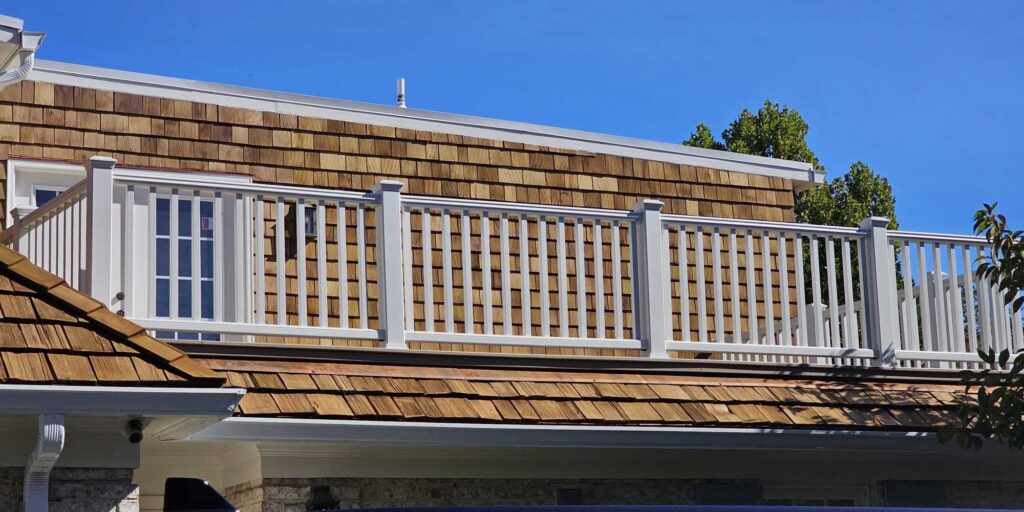
new cedar roof and balcony installed by roofing contractors

Hiring the wrong roofer can create problems that last far beyond the installation itself. A weak scope of work, unclear warranty terms, rushed sales pressure, or an unqualified crew can leave homeowners paying for mistakes that could have been avoided.

That risk becomes more visible after leaks, storm damage, or a sudden wave of contractors canvassing neighborhoods after severe weather. Homeowners comparing Northern Virginia roofing companies should look beyond the lowest estimate and focus on the qualifications, accountability, and communication that shape the full project experience.

In This Article

Learn what to verify before hiring, how to recognize storm chaser warning signs, what to ask a roofing contractor, and how to compare reviews, credentials, and warranty coverage with more confidence.

Why Choosing the Wrong Roofer Can Cost More Than the Roof Itself

A roofing estimate is only as reliable as the contractor giving it. When a company is not properly licensed, cannot explain its process clearly, or leaves warranty terms vague, the homeowner takes on unnecessary risk before the first shingle is removed.

Virginia contractors may hold Class A, B, or C licenses depending on the scope of work they perform. Homeowners should confirm that any roofer under consideration is properly licensed for the project being discussed before signing a contract or approving work.

The stakes rise after major storms. Virginia regulators have specifically warned homeowners to verify contractors following severe weather instead of relying on a sales pitch at the door. A local roofing company in Northern Virginia should be easier to research, easier to contact, and more accountable than a contractor with no meaningful regional presence.

What a Legitimate Northern Virginia Roofing Company Should Be Able to Show

The right contractor should be able to support their promises with clear documentation. These details help separate an organized professional from a company built around speed, pressure, or vague assurances.

Current License and Insurance Documentation

Homeowners can use the DPOR License Lookup to review a contractor’s standing. The business name, license details, and current status should match the information listed on the estimate or contract.

Proof of liability insurance and workers’ compensation coverage also matters. Valid certificates help homeowners confirm that the contractor operates responsibly and provide a stronger basis for comparing proposals beyond price alone.

A Real Local Presence

A licensed roofing contractor in Northern Virginia should be able to point to a clear service area, a verifiable business presence, and references from work completed in the region. Those details matter before the project starts and after the final cleanup is complete.

Local accountability becomes especially important when a homeowner has a follow-up question, warranty concern, or service need months after the installation. A contractor that expects to keep working in the area has a stronger reason to protect its reputation.

Written Scope and Clear Project Terms

A professional estimate should explain more than a total number at the bottom of the page. Homeowners should expect a written scope covering materials, expected project steps, cleanup, disposal, schedule, and payment terms.

That documentation protects both sides. It keeps the conversation grounded in the actual work being performed and reduces the chance of confusion once the project is underway.

Storm Chaser Warning Signs NOVA Homeowners Should Recognize

The most concerning sales tactics often create urgency before they establish credibility. Homeowners should be cautious when a contractor pushes for a fast decision before there has been time to verify the company’s qualifications.

Common red flags include:

  • Unsolicited door-to-door offers immediately after a storm
  • Pressure to sign a same-day agreement
  • Claims that a special price expires within hours
  • Large upfront payment demands
  • No verifiable Virginia license
  • No local office or meaningful regional work history
  • No references from Northern Virginia homeowners

Federal consumer guidance also cautions homeowners against paying more than half of a repair cost in advance after weather emergencies or natural disasters. A company may describe itself as a top-rated storm damage roofing contractor in NOVA, but licensing, written estimates, insurance documentation, and a professional inspection process carry far more weight than a rushed pitch.

Local Roofing Company vs. Out-of-State Contractor

An out-of-state contractor is not automatically unqualified, but homeowners still need a clear way to verify licensing, accountability, and long-term availability. That becomes harder when the company has no established local presence and may leave the market after the immediate storm-response period ends.

A local roofing company in Northern Virginia is more likely to understand regional permitting expectations, area-specific homeowner concerns, and the reputational value of repeat business in the same communities. It is also easier to research through recent project examples, Northern Virginia roofing company reviews, and local references.

The difference matters because roofing work is not a one-day transaction. The contractor’s ability to stand behind the project after installation is part of the hiring decision.

What to Ask a Roofing Contractor Before You Sign

Good questions keep the conversation focused on accountability instead of sales language. Before signing, homeowners should ask:

  • Who handles any required permit process?
  • Will any portion of the project be subcontracted?
  • If subcontractors are used, how are they supervised and documented?
  • What does the workmanship warranty cover?
  • How long does that warranty last?
  • Is the warranty transferable if the home is sold?
  • How will job site cleanup and material disposal be handled?

These questions reveal how the company manages work, communicates expectations, and thinks about the homeowner experience. The best roofing contractor in Northern Virginia is not simply the one who can install a roof. It is the one who can explain the project clearly and reduce avoidable uncertainty before work begins.

How to Compare Reviews, Credentials, and Warranty Coverage

Reviews are most useful when they reveal patterns, not just star ratings. Northern Virginia roofing company reviews on Google, the Better Business Bureau, and Angi can help homeowners assess whether customers consistently mention clear communication, reliable scheduling, clean job sites, and responsiveness after the work is complete.

Review volume and recency matter, too. A company with a long history of detailed, recent feedback provides a different signal than one with only a handful of brief reviews posted over a limited period.

Warranty language deserves the same level of attention. Manufacturer warranties generally address qualifying material defects under the manufacturer’s terms. Contractor workmanship warranties cover installation-related responsibilities, but the length, transferability, and specific coverage can vary.

Manufacturer certifications may also matter because they can reflect additional training, program requirements, or eligibility for certain enhanced warranty options, depending on the roof system and manufacturer. A roofing warranty in NOVA should be explained in plain language before the homeowner commits.

Protect Your Home by Choosing the Right Northern Virginia Roofing Company

Roofing decisions shape more than curb appeal. They affect installation quality, warranty protection, project organization, and how much confidence a homeowner has once the crew leaves. Price belongs in the comparison, but it should never carry more weight than licensing, documentation, accountability, and clear communication.

Pure Roofing is a licensed, locally rooted Northern Virginia roofing company serving homeowners across NOVA with transparent pricing, documented workmanship, and no-pressure estimates. Schedule your inspection to get a clear professional assessment and a stronger starting point for your roofing project.

Filed Under: Roofing

  • « Go to Previous Page
  • Page 1
  • Page 2
  • Page 3
  • Go to Next Page »

Primary Sidebar

Pure Roofing logo

Service Areas

VA | DPOR#2705183167
MD | MHIC#05-151711
NC | Coming Soon
PA | PA220442

Licensed | Insured | Bonded

Request An Estimate

Contact

9352 Mike Garcia Drive
Manassas, VA 20109

(571) 725-2515
info@pureroofingva.com

Follow Us

Link to company Facebook page

Link to company Instagram page

Link to company LinkedIn page

Link to company X page

  • Roofing

    • Residential
    • Commercial
    • Emergency
    • Storm Damage
    • Financing
  • Services

    • Doors & Windows
    • Gutters
    • Insulation
    • Siding
    • Areas Served
  • Company

    • About
    • Contact
    • Referral Program
    • Our Process
    • Team
  • Resources

    • Blog
    • Careers
    • Gallery
    • Insurance Claims
    • Reviews

© 2026 Pure Roofing, LLC·Powered by 321 Web Marketing·Privacy Policy·Terms Of Use